



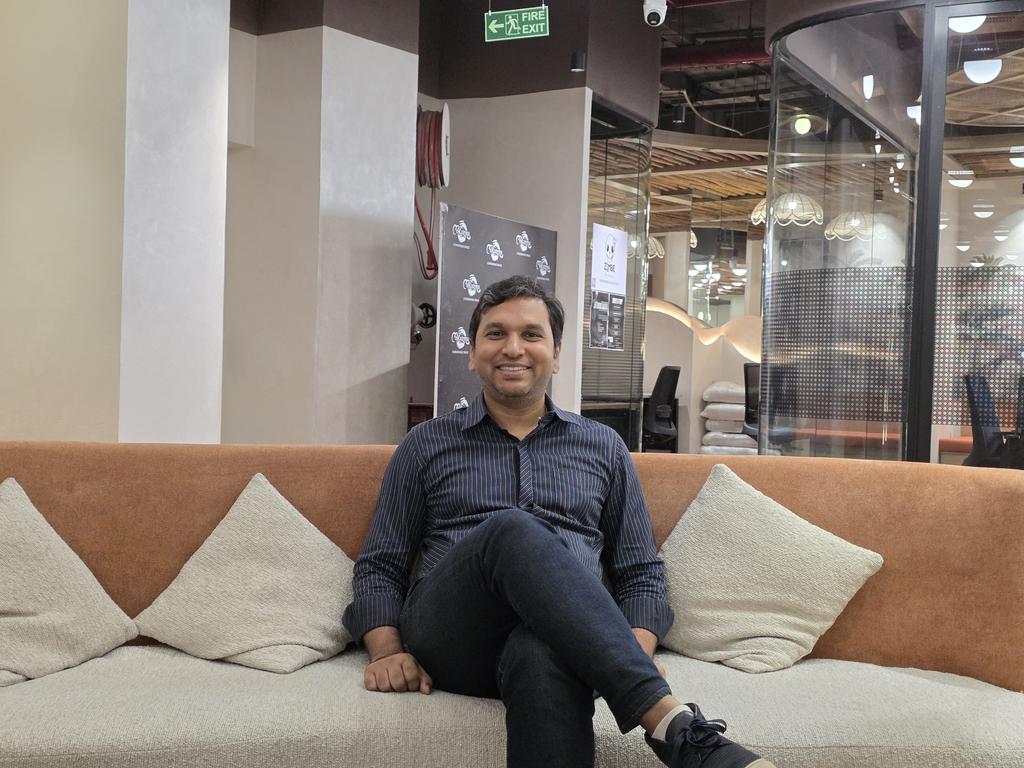
By Dilip Kumar, Co-Founder and CEO of IndiFrame
Maharashtra tests homes like few other states in India. Mumbai gets over 2,400 millimetres of rain annually. Pune and Nashik are not far behind. Coastal districts like Ratnagiri face salt-laden winds for months at a stretch. And then there are the summers — Vidarbha regularly crosses 45°C. You would think, given these extremes, that windows and doors would be near the top of every homeowner’s checklist. In my experience, they are almost never there. That is not carelessness. It is a structural problem with how this market works.
The window and door industry in India competes almost entirely on price. Vendors are fragmented, standards vary wildly, and the information homeowners receive before purchase is mostly surface-level. Most people decide on a frame material, pick a glass type, ask about cost, and move on. The internal components — the sealing system, the drainage design, the hardware grade — almost never come up. And those are precisely the things that determine how a window performs when the skies open.
What Heavy Rain Actually Reveals
I have been in homes where the windows look perfectly fine in January. The same windows, in July, are letting water seep through the frame junction. The profile may be intact. The glass may be fine. But the drainage channels are inadequate, the seals have degraded, or the installation left gaps that no one noticed because they had never been tested. Water infiltration during heavy rains is the most common complaint we hear from homeowners who come to us for replacements. And it is almost always the result of a decision made at the time of construction — a vendor chosen on price, an installation done without proper training, or a product specified without asking about its performance in wet conditions.
As a founder, the most frustrating part is knowing this failure was preventable. It becomes difficult to fix only once the walls are done and the plaster is in place. Replacing a window system at that stage means breaking into the wall, redoing waterproofing, and spending three to four times what a better first decision would have cost.
The Coast Has Its Own Requirements
For homes in Mumbai, Thane, Alibaug, and coastal Maharashtra, two factors are almost always underestimated at the time of purchase: noise and humidity. Coastal Maharashtra is well-connected — which also means homes here sit alongside expressways, arterial roads, and in some cases port-adjacent zones where traffic noise is a daily reality. A uPVC profile handles acoustic insulation significantly better than conventional alternatives.
Then there is the aesthetic trap. Wood looks good with the architecture and photographs well, but in a high-humidity, salt-air environment, it is a high-maintenance liability. It swells, it warps, and it demands a constant cycle of repainting. High-grade uPVC with a wood-finish laminate is the practical answer—you get the aesthetics of timber without the maintenance cycle that comes with it.
The Installation Gap
Across all the window failures I have seen — and I have seen a significant number, both before and since starting IndiFrame — installation errors account for a disproportionate share of them. A well-engineered window system installed poorly will underperform a modest system installed correctly. This is where the fragmentation in our industry causes the most damage. Many vendors supply and walk away. The installation is handed off to a contractor who may have done it a few times but has never been trained on the specific product. The waterproofing at the frame perimeter is done carelessly. Drainage outlets get blocked by plaster, debris, or sealant during the finishing stage. By the time heavy rains arrive, the failure is already built in.
When you are evaluating vendors, ask who installs the product, how they are trained, and whether the vendor takes accountability for post-installation issues. That answer will tell you more about what you are actually buying than the profile spec sheet.
A Window Is Not Just An Aesthetic Product
Window is infrastructure. In Mumbai’s vertical residential buildings, where apartments stack sixty floors high and wind pressures at height are substantial, the window is genuinely load-bearing in a functional sense. In Pune’s older residential neighbourhoods, where homes sit in open plots and take wind from multiple directions, the frame and hardware need to handle that load over years. A window is not an aesthetic product. It is the boundary between your home and the environment outside it. In Maharashtra, that environment is demanding. The decision about what goes in that boundary deserves more time than most homeowners give it, and it deserves to be made before the rains reveal what the shortcut cost.
Ask about what you cannot see. The hardware, the sealing system, the drainage design, the installation process — none of this is visible in a showroom, and most vendors will not walk you through it unless you push. Thirty minutes of the right questions will do more for your home’s long-term performance than any amount of comparison shopping on profile colour or price.
The rains are coming. They arrive on the same schedule every year. The question is whether your home is built to meet them or simply hoping for the best.
About the author
Dilip Kumar is the Co-Founder and CEO of IndiFrame, a uPVC windows and doors company. IndiFrame operates an end-to-end model across manufacturing, installation, and after-sales service.