


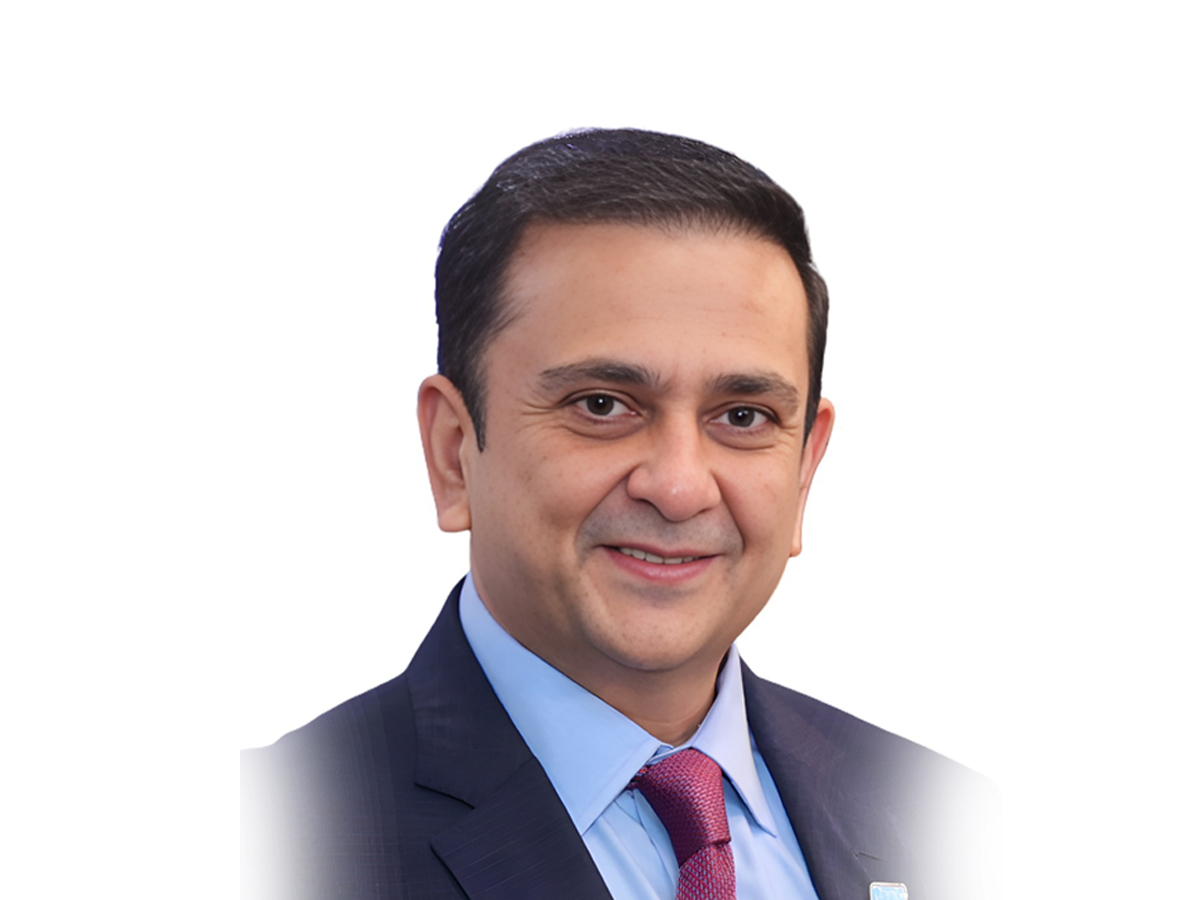
Parag Munot, Managing Director, Kalpataru Limited, discussed the company’s strategy in the Mumbai Metropolitan Region (MMR), focusing on large-scale, master-planned communities like Kalpataru Parkcity in Thane. The project underscores the group’s focus on developing integrated townships that cater to evolving urban lifestyles. Tejaswini Paranjape brings the excerpts from the interview.
How does this project fit into your overall strategy for the MMR market?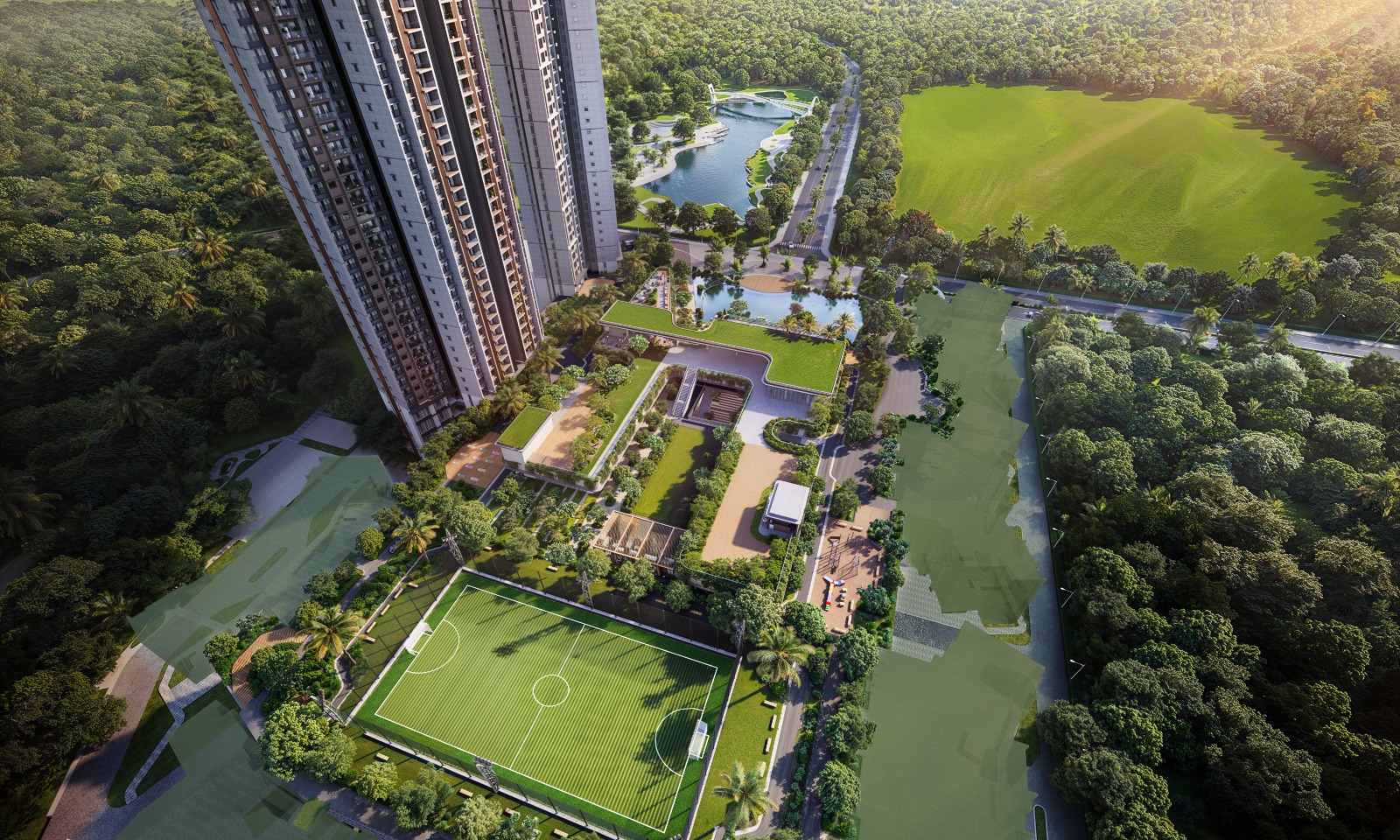
Kalpataru Parkcity firmly anchors our position in Thane. Between 2019 and 2025, it has placed us among the top-5 developers by units supplied in high-growth corridors like Kolshet Road. The project is a 100+ acre integrated township with phases like Estella, Sunrise, and Eternia built around the Namo Grand Central Park, delivering premium mixed-use living. It reflects our core conviction: large-scale, master-planned communities with green spaces, strong connectivity, and lifestyle amenities are precisely the right product for Thane, which is absorbing Mumbai’s growth as land within the city becomes increasingly scarce.
What role do channel partners play in driving sales for a township like this?
Channel partners are central to our sales engine, accounting for a significant amount of sales through their networks, lead generation, and client relationships. We invest meaningfully in these partnerships through formal registration programs, detailed project briefings, and exclusive access to our Roots experience centre, where partners walk through construction techniques, master planning, and amenities first-hand. That investment is deliberate. An informed partner is our most effective sales advocate.
How are you managing phasing and ensuring timely delivery across multiple phases?
We follow a disciplined sequential phasing model across Sunrise, Primera, Immensa, Eternia, and now Estella, targeting 80%+ pre-sales within each phase before advancing to the next. Construction is funded by collections, not debt, which keeps timelines tight. Immensa is proof, with around 1,500 flats already handed over. Our in-house EPC capability is a real differentiator. At Roots, we demonstrate this through BIM simulations and detailed cut-sections of waterproofing and plumbing systems. 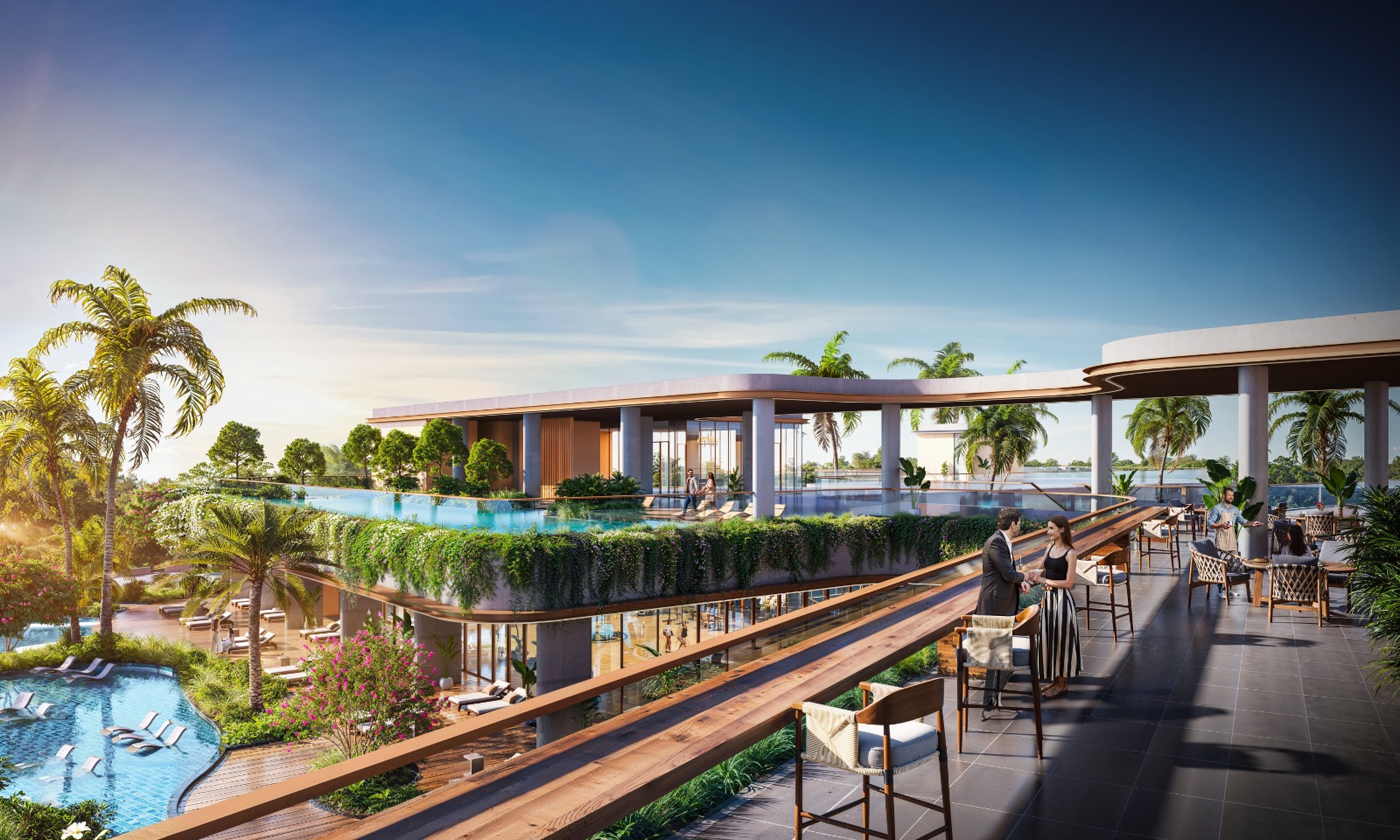
How important is external infrastructure in influencing demand for this project?
It has been transformative. Parkcity sits at the heart of Kolshet Road, already connected to the Eastern Express Highway. Layered on top are major upcoming connectors: the Thane-Borivali Twin Tunnel cutting the Mumbai commute to roughly 15 minutes, Metro Lines 4 and 5, the 29km Thane Ring Metro, the Anand Nagar-Saket Corridor, a Kolshet jetty, and the Thane-NMIA Elevated Road placing the airport roughly 45 minutes away. The market has already responded. Inventory overhang has dropped from 38 to 17 months, capital values are up 36% over three years and 58% over five. Infrastructure combined with a green anchor like NGCP makes the demand case here very compelling.
How do you see demand and supply evolving in the Thane market going forward?
Demand for branded, premium townships will significantly outpace supply. Since RERA, absorption has consistently exceeded new launches, and branded developers’ market share is rising. We see it crossing 15%. Connectivity upgrades, the metro network, and NMIA proximity are structural demand drivers. The green dimension matters more than people credit. Our 21+ acre NGCP generates over 8.8 lakh pounds of oxygen annually and has become a genuine buyer differentiator. Thane’s 36 to 58% appreciation over 3 to 5 years reflects strong investor confidence, and integrated projects balancing density, nature, and mobility will continue to outperform unorganized supply.
What are your key expansion plans in the MMR region over the next few years?
We are pursuing a deliberate mix of asset-light joint ventures, redevelopment projects, and township extensions. Our Rs 1,400 crore Andheri project exemplifies the JV-redevelopment approach. Within Parkcity, Estella adds 8 towers, a 76,000 sq ft clubhouse, and premium 2 to 4 BHK homes, with further additions in the pipeline. We are also launching a 4-acre redevelopment in Lokhandwala and recently launched Kalpataru One. Recently, we also signed a redevelopment project in Andheri that has an estimated gross development value (GDV) of more than ₹1,400 crore. Each move is intentional, reinforcing our presence across MMR’s most strategic corridors.
What are the biggest challenges you face while developing large townships like this?
Competition, land costs, and regulatory timelines are the primary headwinds. Land scarcity in MMR continues driving up acquisition costs, and regulatory processes including RERA timelines, and environment clearances require proactive management. Increasing construction costs and labour shortage have been a challenge and have some impact on pricing. We address these through strong collections discipline, with Q3 FY26 collections growing 17% year-on-year, IPO proceeds that bringing down net debt significantly, and five decades of execution credibility. Roots, where we show buyers and partners exactly how we build, is our most powerful differentiator. When a Kalpataru homebuyer returns for their next investment, that trust is our greatest measure of success.