



By Rajat Kumar, Founder & Principal Architect, Recro Kardo
After 25 years of practice as an architect, one realization, which would become the central theme of my work, emerged: good design can never be just a matter of structures, materials, or aesthetics. At its core, architecture is about people, how they live, how they feel, what they remember, and what they aspire to become. Over time, we observed certain principles appearing again and again in our work. These patterns eventually shaped what we now call the Design Triad: the essential relationship between place, people, and designer. This triad forms the backbone of every meaningful space. The “place” creates the context: climate, land, culture, and physical constraints. The “designer” brings technical knowledge, artistic instinct, and intuition. But it is the people who complete the circle, because the final experience of any space emerges from their memories, values, lifestyles, and inner desires.
People at the Center of Design 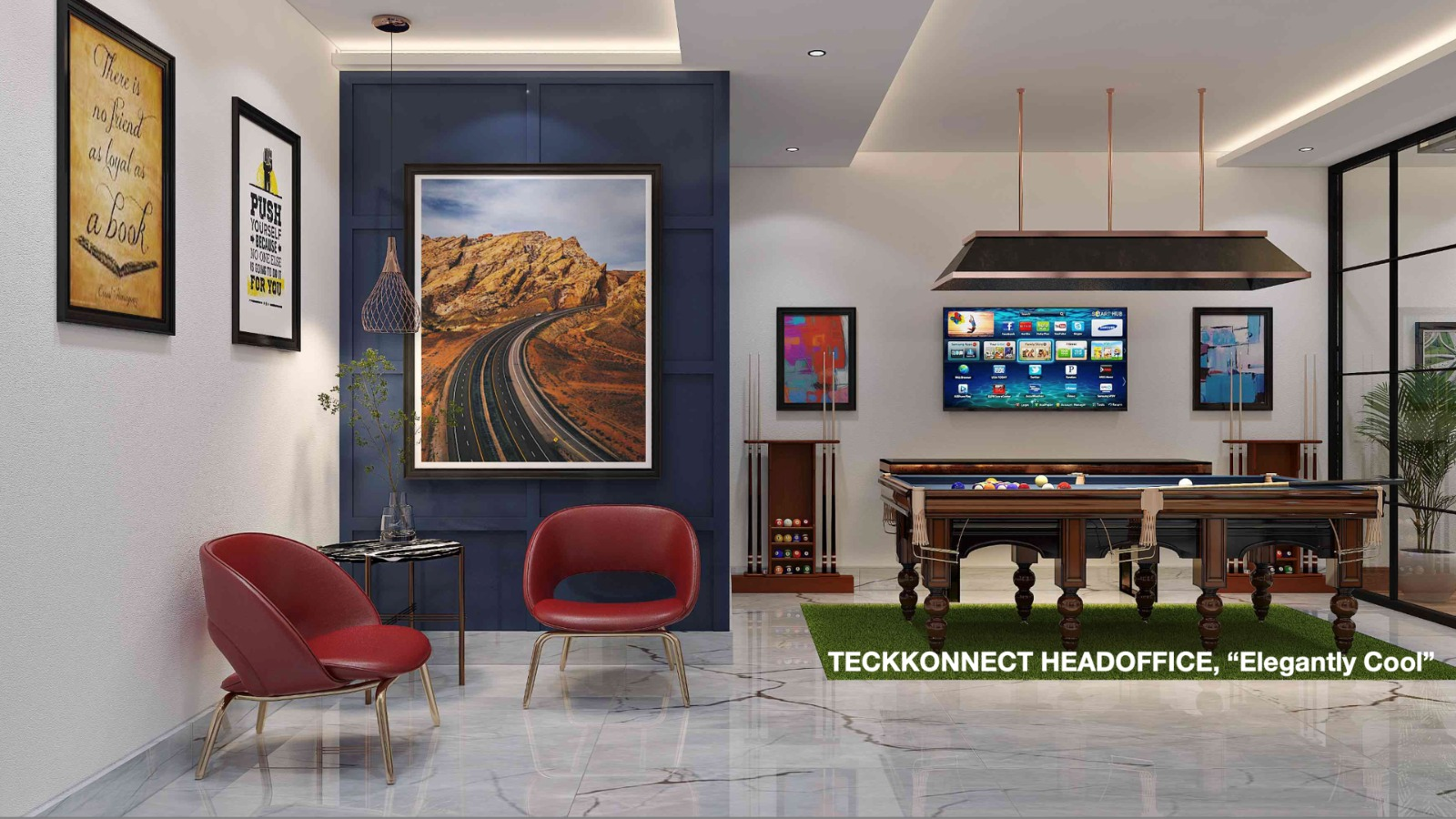
People have always been the heart of our design philosophy. Whether we are shaping a home, a workspace, or a cultural building, the real question is: How will this place make someone feel? This is prominently illustrated when coming up with designs for private houses. For the architects to actualize a truly intimate setting, they would have to emotionally bare themselves, get to know the family dynamics very intimately and even watch the small details and the like that are typical of the daily life of the people in the house. The size of the land or the building norms may remain the same, but volumes, light, space flow, transparency, and comfort vary completely depending on the people who will live there. A home is not defined by the number of rooms. it is defined by the way people breathe, interact, rest, gather, and dream within it. Understanding this is what transforms a layout into a living experience.
Designing for the Unknown: Public Architecture
On the other hand, designing public buildings or environments requires a different kind of sensitivity. Here, the end user is not directly known. A museum may be visited by school children and scholars alike. A clinic may host patients from different cities, cultures, and age groups. A commercial space may attract people with completely different lifestyles. In such spaces, imagination, empathy, and observation become the designer’s strongest tools. One must anticipate how strangers will move, how they will use a corridor, where they may pause, what they may touch, and what might overwhelm them. Regardless of whether the user is identifiable or part of a larger public collective, well- designed spaces must leave a positive emotional impact. That is the true purpose of architecture creating environments that quietly uplift the human spirit.
What Moves Us: The Human Aspiration Behind Design
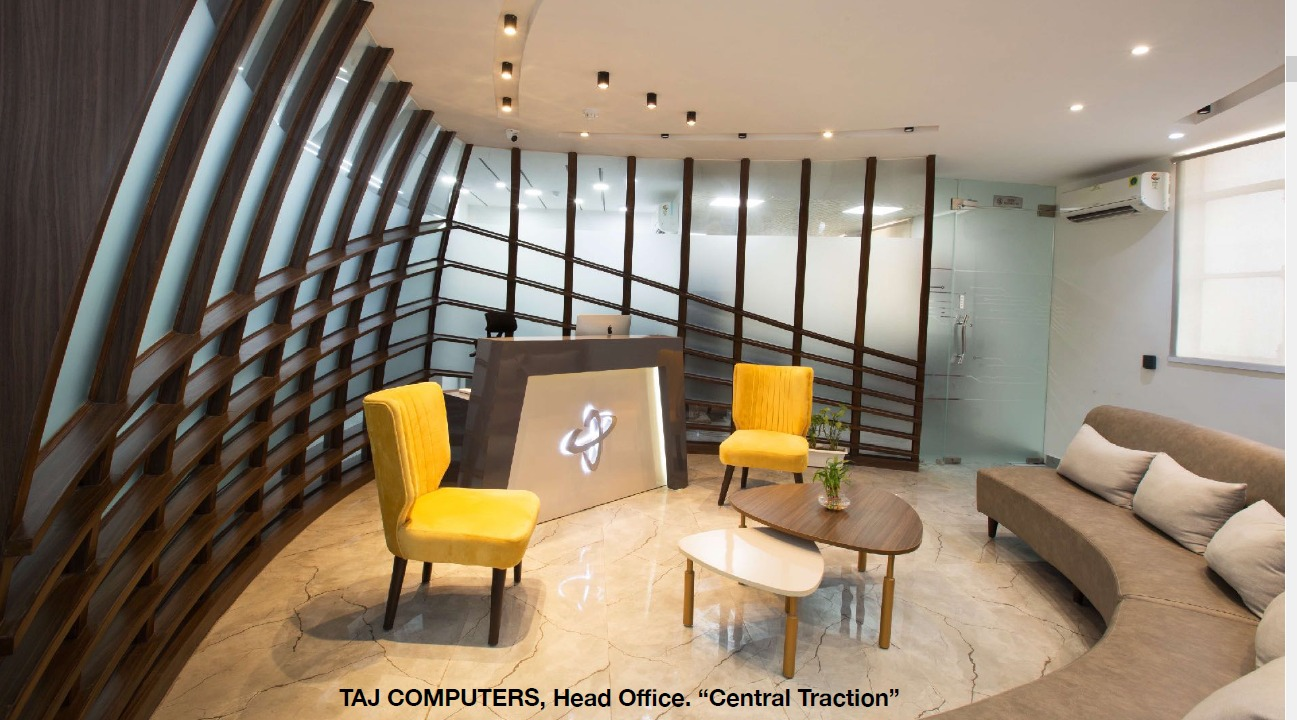
There are some eternal human needs and aspirations that affect the way people react to places. Throughout the years, we observed several times that people are comfortable and motivated when some basic design features are there:
• Open and unrestricted areas that support movement in a nonconfusing and noncluttered way.
• Abundant natural light is not necessarily direct sunlight, but softly reflected light bouncing off surfaces, filtering through leaves, or emerging from shaded courtyards.
• Thoughtful colour palettes that set moods and create emotional comfort.
• Material choices – a mix of natural and crafted materials that evoke warmth, nostalgia, and a sense of belonging.
One of the most fundamental principles is the ability to connect everything spatial planning, scale, height, textures, sound, and even the sense of smell into a coherent emotional experience. When all these elements come together, they create more than just a building; they create a feeling.
Architecture as a Journey of Emotions
Our studio’s work consistently frames architecture as an experience, becoming a core of the design solution. We often describe ourselves as “design experience creators,” because the focus is always on how people perceive and live through the spaces we create. Even the name Recro Kardo comes from Latin ideas of “reviving the axis,” symbolising the process of reactivating spatial emotions rather than treating buildings as isolated physical objects. Every project tells a story, and our role is to help that story unfold. Whether designing sample villas, residences, or large public spaces, we often speak in terms of journey – the transition from the entrance to the inner sanctum, from sketch to serenity. The thought is that different emotions will accompany the visitors in the whole space: serenity, inquisitiveness, security, liberality, or even a divine feeling really depends on the design concept.
Examples Where Emotion Leads the Design
A project like Vishwa Shanti Mandir in Ayodhya is a strong example of emotion-first design. Peace and spiritual clarity were the underlying concepts for the design of all the curves, materials, and spaces. The purpose of the space was not just sight but to experience it through all the senses where silence, light, and shape disappear as part of the inner peace. In the same way, with residential and hotel projects, our method is based on individual travels.The design is never formula-driven; instead, it is derived from the unique stories, habits, and aspirations of the people who will use the space. These may come across as opening large windows in a house towards the piple tree on the road, or creating a public courtyard in a office building having a boat installed along a reflective surface and river pebbles, reminding of a boat ride.
The Heart of Architecture: Building for People
The main takeaway after 25 years of practicing architecture is that the industry’s success is tied to the comprehension of the feelings of the people. Buildings can be beautiful, functional, and technically flawless, but if they do not make people feel grounded, inspired, or at home, the design is incomplete. Spaces shape people just as much as people shape spaces. When we design with empathy, intuition, and a deep respect for human stories, architecture becomes more than construction it becomes meaning. In the end, architecture is about creating experiences that stay with people long after they leave the building. This, perhaps, is one of the successes of architecture – creating spaces that become an integral part of our memory, thus carrying our experiences much further beyond the building itself.