



Merino Industries Ltd. has continued to build upon its long-standing emphasis on renewable energy integration and circular production systems, with over 84% of its total energy requirements met through non-fossil fuel sources. The company’s annual electrical requirement is approximately 78 million kWh, with 53% generated through captive solar and wind systems as per a press release. Merino’s energy strategy rests on renewable sourcing, operational efficiency, and conservation, driving measurable improvements in energy intensity and emissions performance.
The company’s use of biogenic fuels in captive energy plants removed 125,186 metric tons of CO2 equivalent emissions during the reporting year. Advanced air pollution control systems are deployed across manufacturing units, ensuring emission parameters remain within prescribed norms. Water management remains central to Merino’s sustainability framework, with 101,100 kilolitres of water recycled and reused annually.
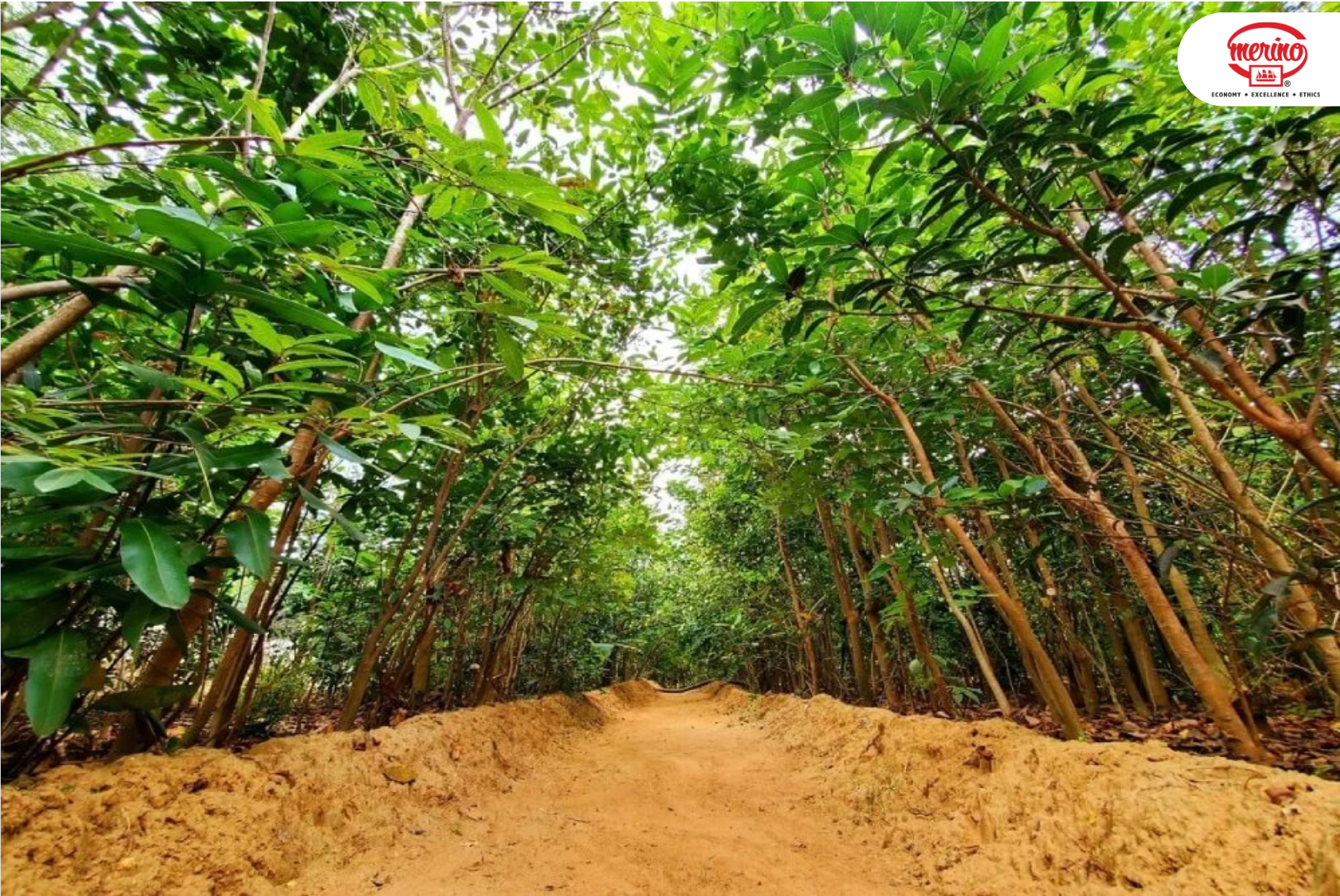
Merino’s environmental efforts extend beyond the factory boundary, supporting regenerative agriculture and agroforestry through structured engagement with farming communities. The company distributes over 10 million micro-climate resilient saplings to farmers each year, with more than 30 million saplings across 7,500 hectares of farmland part of agroforestry and farm forestry initiatives.
“Energy transition becomes meaningful when it is reflected in everyday operations. For us, renewable energy integration, waste recovery systems, water neutrality and regenerative agriculture are interconnected commitments,” said Manoj Lohia, Director, Merino Industries Ltd.