


In India’s rapidly evolving real estate landscape, a new chapter is being written—not in concrete alone, but in how work itself is imagined. For architects, developers, and urban planners, the country’s office market is no longer just about building towers; it’s about designing ecosystems that meet the demands of a global economy operating at lightning speed.
Aashit Verma, Founder of Hanto Workspace, has been at the forefront of this shift. He sees India’s office story as one that demands agility in both design and delivery. “India’s office market is entering a defining moment,” Verma says. “The country is now firmly positioned as the world’s fourth-largest office market, and this growth is being powered by GCCs and tech firms who are driving demand in new ways. These companies work on global timelines and simply can’t afford the 9–12 month wait of a traditional lease-and-furnish model, which is why demand for immediate, scalable, high-performance workspace is the single biggest catalyst for the growth of the managed office sector.”
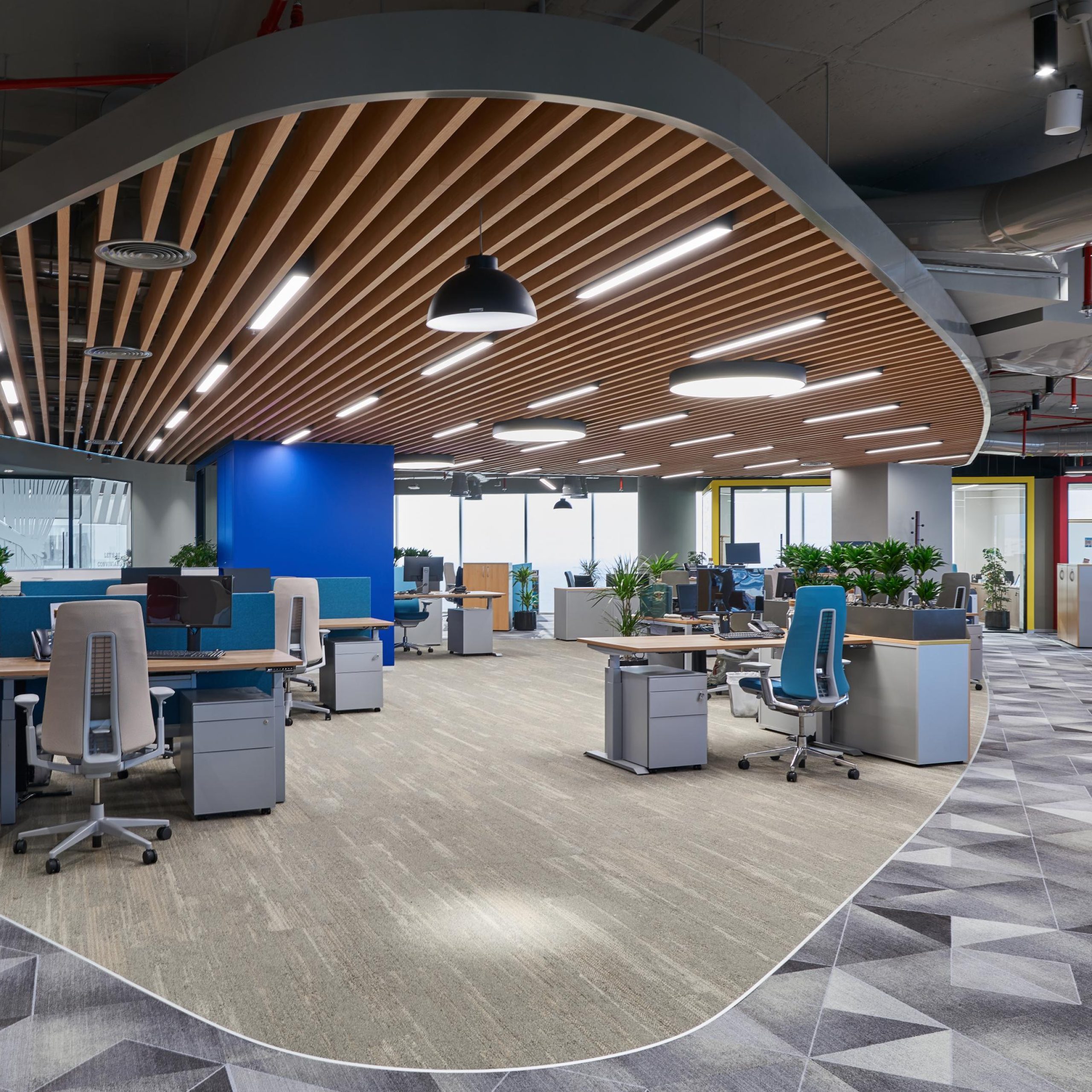
For architects, this shift calls for modular designs, flexible layouts, and spaces that can be scaled up—or down—without disrupting workflows. For real estate developers, it means rethinking the conventional leasing cycle and aligning projects with new patterns of demand where speed and adaptability outweigh static design.
The global context only sharpens this urgency. As Verma notes, “The new H1B visa rules add another layer here. It’s far cheaper for global companies to hire Indian talent in India than to base the same talent in the US, which only increases the need for high-quality workspaces back home. That’s why infrastructure and city planning become critical now if we want to hold onto this momentum and make India the preferred global hub for talent and offices.”
The implication is clear: the future of India’s office market will be shaped not only by the glass-and-steel towers that rise on skylines but also by how flexibly and intelligently those spaces are conceived. The opportunity for architects and real estate leaders lies in designing with foresight—spaces that anticipate global needs, integrate seamlessly into urban infrastructure, and position India as a world leader in the built environment of work.