



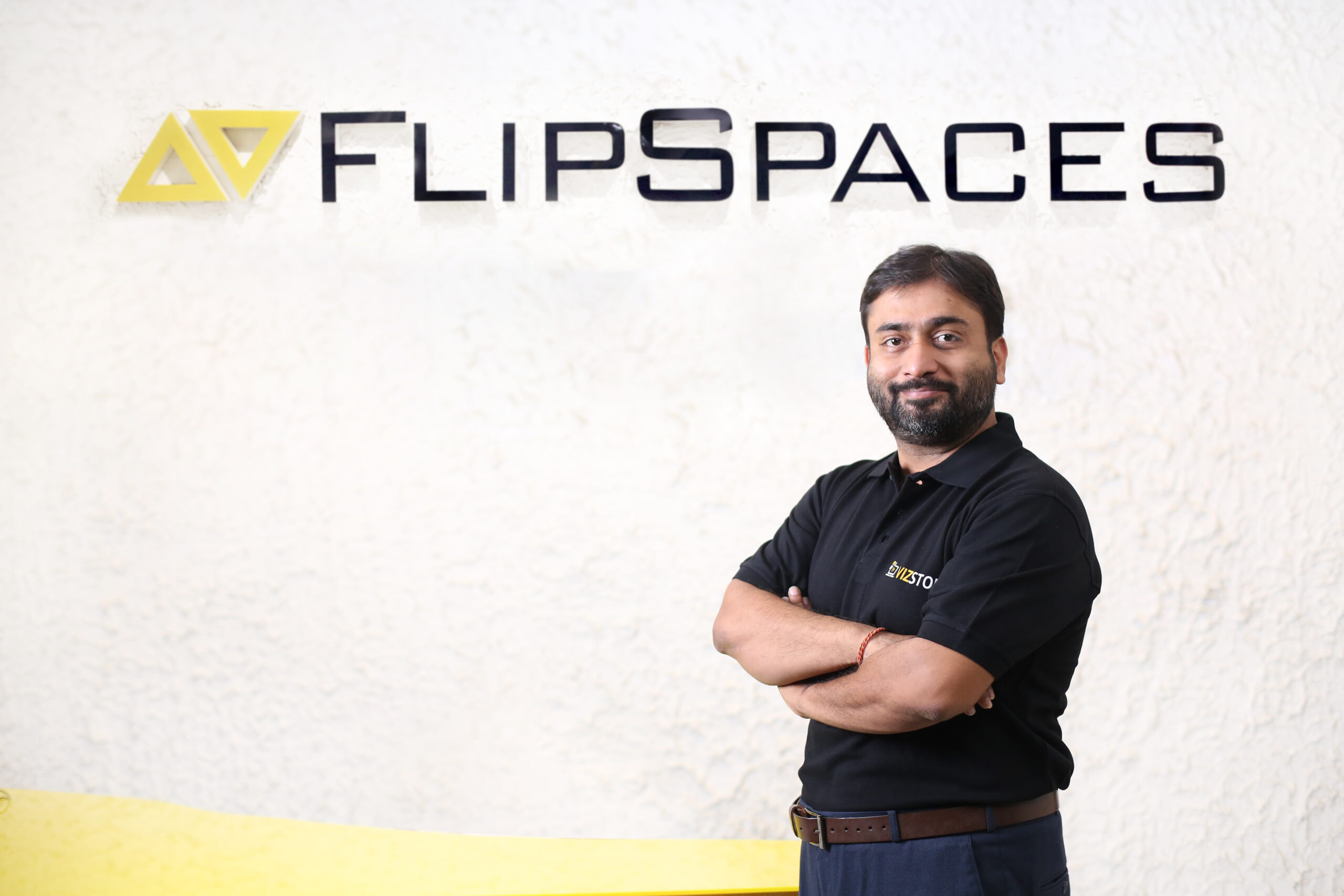
By Kunal Sharma, Founder and CEO, Flipspaces
Walk into a great workplace and you feel it before you see it. The light is easy, conversations flow without noise, and teams find each other without a hunt for a room. That harmony is design doing its real job—helping people do their best work. For years, offices were built to impress: a striking reception, branded walls, a showpiece boardroom. Today, the brief has shifted. Companies want spaces that work—that flex with changing teams, support different working styles, and quietly lift productivity. Beauty still matters, but now it’s teamed with purpose.
Why Design Means More Now
The workplace has become a living system. It needs quiet corners for deep focus and energetic zones for fast collaboration. It needs places that feel informal enough for quick check-ins and rooms that hold confidentiality with ease. Design shapes all of this—how people connect, how they concentrate, and how they feel over a full day. The cornerstone of this starts with people taking into consideration how they move, meet, and think. It ultimately shapes everything else around those rhythms. Form and function aren’t trade-offs; done right, they amplify each other.
Designing for Efficiency (Without Losing Soul)
Efficiency starts with flow. Who needs to sit together? Where does noise travel? What deserves daylight? The answers decide where to place huddle nooks, project tables, focus pods, and an all-hands area that flips from town hall to workshop in minutes. Technology should disappear into the background. Smart lighting adapts from brainstorming to deep work. AV connects in seconds. Wireless charging lives where people actually sit. Climate controls feel natural, not noticeable. When the tools behave, work speeds up and friction fades.
Sustainability is built in, not bolted on. Firms now maximize daylight before adding lumens, specify low-VOC finishes, and design ventilation that actually breathes. It’s better for people, better for the planet, and kinder on operating costs.
Aesthetics with Intent
Looks still matter—just differently. Color, texture, and form tell a brand’s story and set the mood for the work it does. Biophilic touches—natural light, greenery, tactile materials—lower stress. Balanced acoustics protect focus. The air feels fresh, not forced. Ergonomics are standard, not a perk. Zoning shows empathy: a pod for heads-down work, a soft window seat for one-on-ones, and a breakout nook that welcomes a spontaneous sketch session. When spaces match human needs, people don’t have to fight the office to get work done.
How It Comes Together
Such a meticulously designed office has an optimized flow for the teams that work sitting in there. With coffee and inbox at a café perch, quick switch to a project table with bright, even light, noon stand-up where screens connect instantly, an afternoon focus pod that hushes noise, and a living-room-style corner for an authentic client call, nothing feels forced anymore and that’s the point.
The Payoff
When aesthetics meet efficiency, performance follows. Meetings start on time, teams hit flow faster, and the brand shows up not just on a wall but in how the space behaves. In the end, commercial interiors aren’t about fittings and finishes; they’re about outcomes. Do people think more clearly here? Do they feel safer, calmer, more engaged? Does the space flex as the business changes? If yes, the design is doing its job.
Design firms now believe that the future of work isn’t built by choosing between beauty and utility. It’s built by letting each strengthen the other. Redesigning an office isn’t just a refurb. It is a decision about how your team will think, collaborate, and grow. That future starts with smart, intentional design—and it feels as good as it looks.
About the Author
Kunal Sharma is the Founder and CEO of Flipspaces, a design-tech venture revolutionizing the interior design industry with tech-enabled solutions. With over two decades of experience, he’s a serial entrepreneur and angel investor who’s founded and invested in game-changing startups. An IIT Bombay alumnus, Kunal is passionate about building innovative, scalable, and sustainable products and businesses.