


One of the world’s most recognisable architectural icons, the Burj Al Arab, is set to undergo a comprehensive 18-month closure for restoration and redesign, marking a significant moment not only for hospitality but also for global architecture and infrastructure. The move reflects a broader shift in how legacy landmark assets are being re-engineered to meet evolving design, sustainability, and operational benchmarks.
From Icon to Infrastructure Evolution
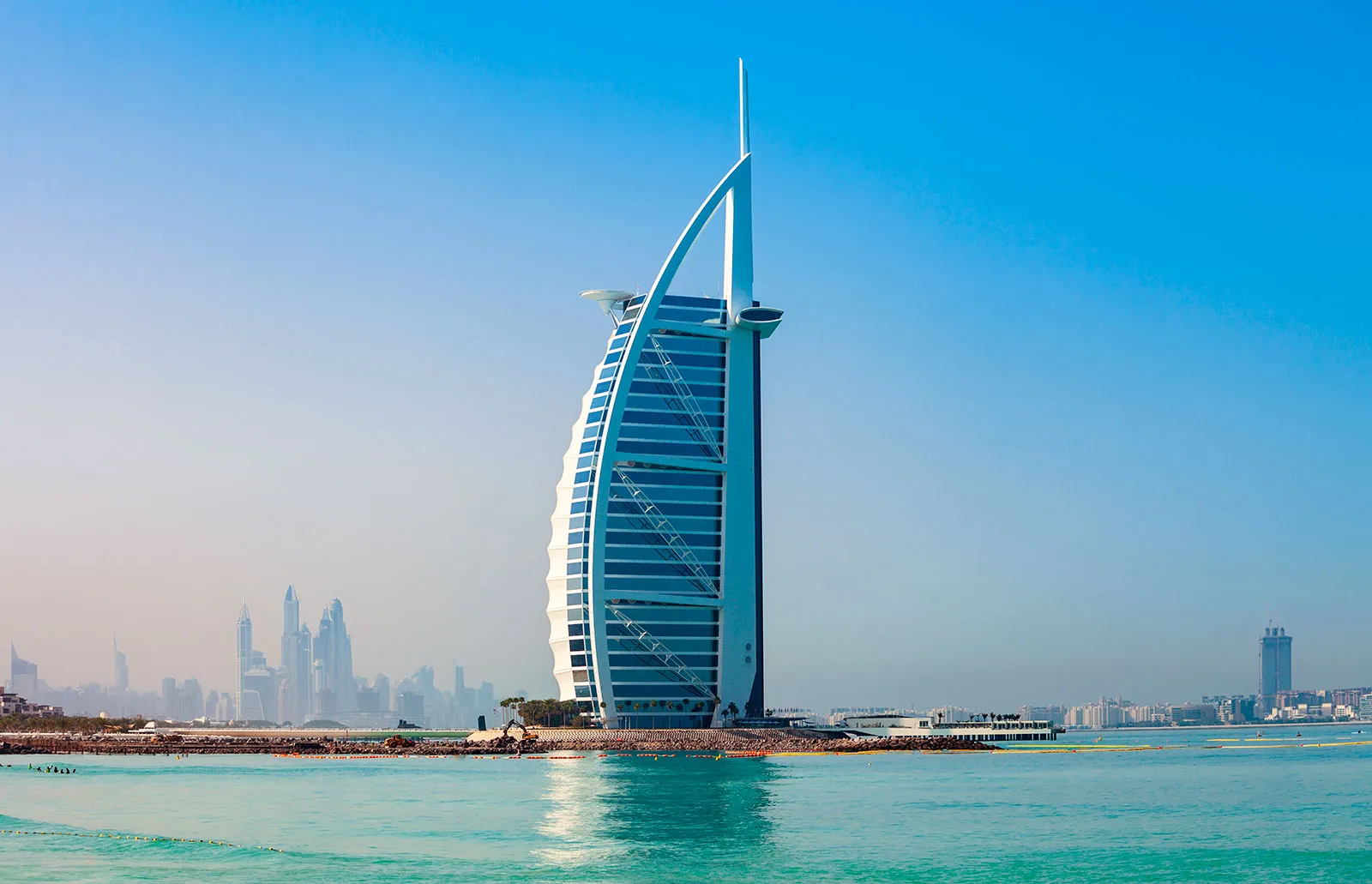
Since its inauguration in 1999, the Burj Al Arab has stood as a defining example of experiential architecture, combining structural engineering with symbolic design. Conceived as a sail-shaped structure inspired by Arabian dhow vessels, the building was designed by Tom Wright to position Dubai as a global city.
Constructed on a man-made island and rising 280 metres above sea level, the structure integrates a steel exoskeleton system engineered to withstand extreme coastal wind and temperature conditions. The upcoming renovation is expected to go beyond surface-level upgrades, focusing on long-term structural resilience, systems optimisation, and asset lifecycle extension.
Design Intervention with Heritage Sensitivity
The redesign is being led by Tristan Auer, whose approach emphasises adaptive reinterpretation rather than replacement. Known for restoring heritage luxury assets such as Hôtel de Crillon, Auer is expected to balance legacy aesthetics with contemporary spatial design.
The intervention is likely to focus on interior architecture, material upgrades, and experiential layering while retaining the core identity of the structure. This reflects a growing global trend where iconic buildings are treated as living assets requiring periodic recalibration.
Engineering Upgrades and Systems Modernisation
From an infrastructure perspective, the restoration is expected to address key aspects such as mechanical, electrical, and plumbing (MEP) systems, energy efficiency, and building management technologies. Given the building’s offshore location, maintaining structural integrity and corrosion resistance remains critical.
The project is also expected to incorporate next-generation smart building systems, aligning with global benchmarks in automation, predictive maintenance, and operational efficiency. These upgrades will ensure the building remains competitive in a rapidly evolving luxury and infrastructure landscape.
Sustainability and Future-Proofing
Although originally built in an era where sustainability was not a primary design driver, the current refurbishment offers an opportunity to integrate environmentally conscious systems. Potential upgrades may include energy-efficient cooling systems, water conservation technologies, and sustainable material usage.
As global cities move towards net-zero targets, retrofitting iconic assets like the Burj Al Arab becomes essential in aligning legacy infrastructure with future environmental standards.
Urban Identity and Economic Significance
Commissioned by Mohammed bin Rashid Al Maktoum, the Burj Al Arab was envisioned as a landmark equivalent to the Eiffel Tower, symbolising Dubai’s emergence on the global stage. Over the years, it has played a crucial role in shaping the city’s tourism-driven economy and architectural identity.
Its temporary closure represents not just a hospitality pause but a strategic reinvestment in one of Dubai’s most valuable urban assets.
Implications for Architecture and Infrastructure Sectors
The refurbishment highlights a broader industry trend where ageing but iconic structures are being upgraded rather than replaced. For architects, engineers, and developers, this underscores the importance of adaptive reuse, lifecycle management, and design longevity.
The project also reinforces the role of architecture as both a cultural and economic asset, requiring continuous innovation to remain relevant across generations.
Outlook
Set to reopen in 2027, the Burj Al Arab is expected to emerge as a renewed benchmark in integrated design, engineering excellence, and experiential luxury. The project stands as a case study in how iconic structures can evolve through thoughtful architectural intervention and infrastructure modernisation while preserving their original identity.