



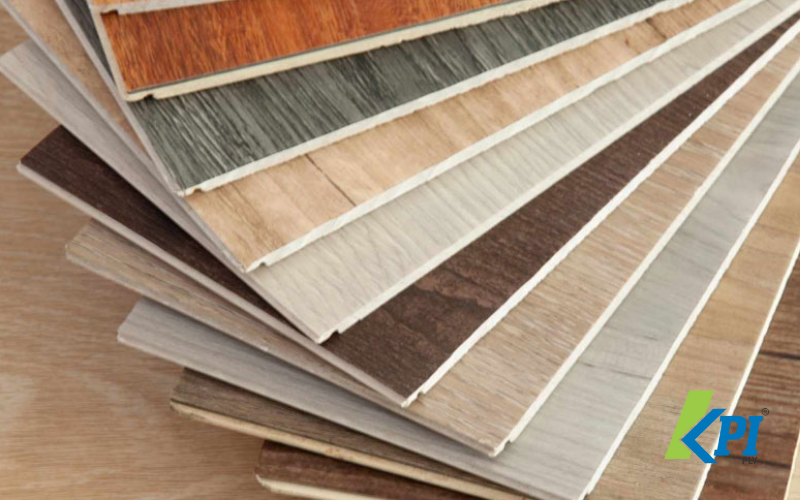
New Forest and Wood Products Australia trade data shows wood-product imports holding their upward line towards $2.8 billion a year, led by a 9 per cent jump in plywood, Laminated Veneer Lumber and veneered panels. Australia’s wood-product imports are set to grow by 3 to 4 per cent this financial year, holding their upward line towards $2.8 billion, even as the nation’s overall trade activity contracts and freight costs climb. That is according to Forest and Wood Products Australia, the sector’s research and development corporation, which recently released its latest trade analysis tracking Harmonised System Chapter 44 imports over the current financial year. The forecast points to annual imports rising from about $2.7 billion to $2.8 billion, with monthly values edging up from an average of $230 million in 2024–25 to around $240 million across the current year. FWPA said the figures reflect “sustained demand despite broader macroeconomic headwinds,” a run that has held even as the oil crisis pushes freight and energy costs higher. For the interior design and joinery sector, these materials remain critical inputs for cabinets, wall paneling, and built-in storage.
Plywood, veneered panels and laminated products lead that growth, a category that includes laminated veneer lumber, projected to reach about $750 million in 2025–26, up roughly 9 per cent from $689 million a year earlier. Classified under Harmonised System 4412, it is the single largest slice of the import bill, with four categories accounting for close to 80 per cent of the total value. These engineered materials are widely specified for cabinetry and fitted interiors in residential and commercial projects due to dimensional stability and surface finish quality. The balance sits across builders’ joinery and carpentry under Harmonised System 4418, sawn or chipped wood under Harmonised System 4407, and continuously shaped timber under Harmonised System 4409, each posting modest gains broadly in step with residential construction and dwelling activity. Monthly figures across the categories swing with seasonal patterns, whilst the annual trend has held a steady upward line.
Underlying the forecast is a housing and construction supply chain that relies on overseas materials to cover local shortfalls, a dependence FWPA names as the main reason imports should keep growing. That structural pull has held firm even through the freight-cost spike now working through global trade. For studios and contractors working in bespoke joinery and interiors, continued access to veneered panels and LVL supports production of kitchens, wardrobes, and commercial fit-outs, though logistics costs remain a pressure point. FWPA will set out its full trade outlook at a free member webinar, Global Timber Trade: Trends, Outlook, Market Dynamics and Strategic Options for Importers, on Thursday, 18 June. The hour-long online session opens at 11 am and is free for FWPA members. Economic activity is tipped to soften over the next two years, and light steel framing is taking a larger share of the structural market in a substitution that could erode demand for imported timber. Those competing pressures leave FWPA’s $2.8 billion import run rate resting on conditions the body expects to tighten.
China is the world’s largest plywood producer and exporter, the category leading the import growth. Cranes unload imported logs at a Chinese port. While framed as trade data, the relevance for interior specifiers is clear: veneered panels, LVL, and joinery components underpin much of Australia’s residential and commercial interior work. With housing activity still generating demand for built-in elements, the 9 per cent rise in HS 4412 reflects ongoing use of these products across interior material palettes. The sector faces a dual challenge of managing freight-driven pricing while meeting design expectations for finish and performance. FWPA’s session aims to give importers strategic options as conditions shift. Additional context on supply dynamics is available via Forest and Wood Products Australia.
Image Courtesy: KPI Ply