


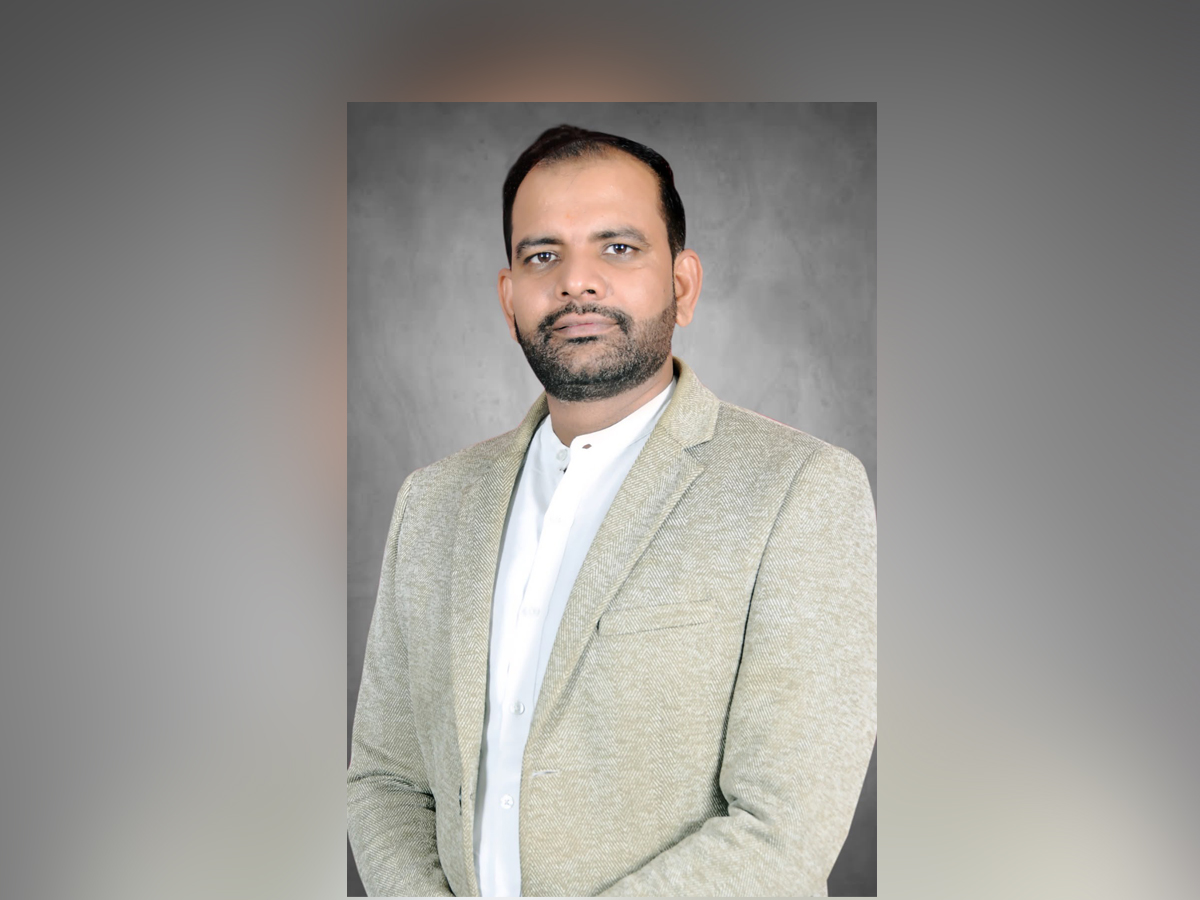
TRG is redefining real estate from building structures to building integrated ecosystems. Pawan Sharma, MD, TRG Group explains why commercial spaces must deliver community experiences, not just retail square footage in an email interaction with Tejaswini Paranjape. TRG aims to shape the 2030 customer: connected, experience-driven, and aspirational. The goal is simple—make life convenient, accessible, and future-ready.
TRG positions itself as “Building Tomorrow’s Bharat.” What is one real estate gap that you believe the industry is still overlooking?
The real estate industry has largely been about building structures; however, there has been a dearth of integrated ecosystems. With urbanization accelerating in India, the time has come for destinations where individuals can not only live, work, and eat but also have fun within a 5L+ catchment area. There is no doubt that one of the biggest voids today is in commercial developments, which create community experiences rather than merely providing spaces for retailers. The future of the real estate sector lies in making life convenient and accessible to people.
TRG The Mall sits between Gaur City and Crossing Republik. Beyond location, what is the single biggest differentiator that will drive repeat footfalls?
The location might serve to pull people in at first, but it is the experience that will make them stay engaged. The main differentiation feature offered by TRG The Mall is a full-fledged lifestyle ecosystem being built inside the mall. It has been planned as a destination where people will be able to enjoy themselves for an entire day as opposed to coming here just for shopping. This project incorporates shopping, a food court, a OneMart, a place to exercise, fun areas, and social zones. On top of that, various events and festivals will keep customers returning.
Many malls are competing for brands; how is TRG designing a destination that people choose to spend time in, not just shop at?
There has been a marked change in consumer expectations, with the emphasis shifting to experiences in addition to transactions. This is more than just a retail proposition, as we aim at creating an entertaining, social, and recreational destination that will become part of their everyday life. We plan to create a food court offering products from premium brands as the key draw card, while we also plan to create zones that will allow customers to come together for events and festivities. We intend to create a pleasant and stimulating environment where consumers can stay for longer periods.
As TRG evolves from a developer into a brand, what legacy do you want the company to be known for a decade from now?
In ten years from now, we want to establish TRG as a firm that offers its stakeholders consistent values in terms of trustworthiness, value-for-money, and future-proof developments. We aim at developing world-class landmarks that will not only change the economy of our stakeholders for the better but will ensure that we maintain high levels of quality in all of our developments. At the same time, we would like to ensure that we develop assets that will keep delivering opportunities to investors, enterprises, and other stakeholders in the long run. Most of all, we would like to contribute to India’s urbanization story.
After the ₹400-crore TRG The Mall, what will define the next phase of growth for TRG—scale, geography, or asset diversification?
Our strategy for the next phase of growth at TRG will entail a perfect blend of scale, geography, and diversification. In essence, our goal will involve developing bigger and more transformative projects while simultaneously expanding into new geographic locations that hold potential for the future. This notwithstanding, there is a myriad of future growth corridors that exist within other property types such as commercial, retail, mixed-use, hospitality, and experience properties. As such, one of our core strategies involves the identification of such growth corridors even before they become mainstream. In doing so, we will ensure that we are future-ready.
If you had to describe the TRG customer of 2030 in three words, what would those words be—and how are your projects evolving to serve that customer?
The Customer of the Year 2030 at TRG can be characterized in four words: Connected, Experience-Driven, 4C advantage- Convenience, Connectivity, Customer base & Capital growth and Aspirational. Future customers will require convenience, technology, and experience to go hand in hand in a destination that they visit. They will value their time more than before and prefer destinations that offer them everything under one roof, including places for them to shop, dine, have fun, relax, and interact socially. The development of our projects is focused on creating an environment that offers them smart accessibility, experiential retail, and an overall integrated living experience. Technology, convenience, and sustainability continue to form the crux of our plans.