



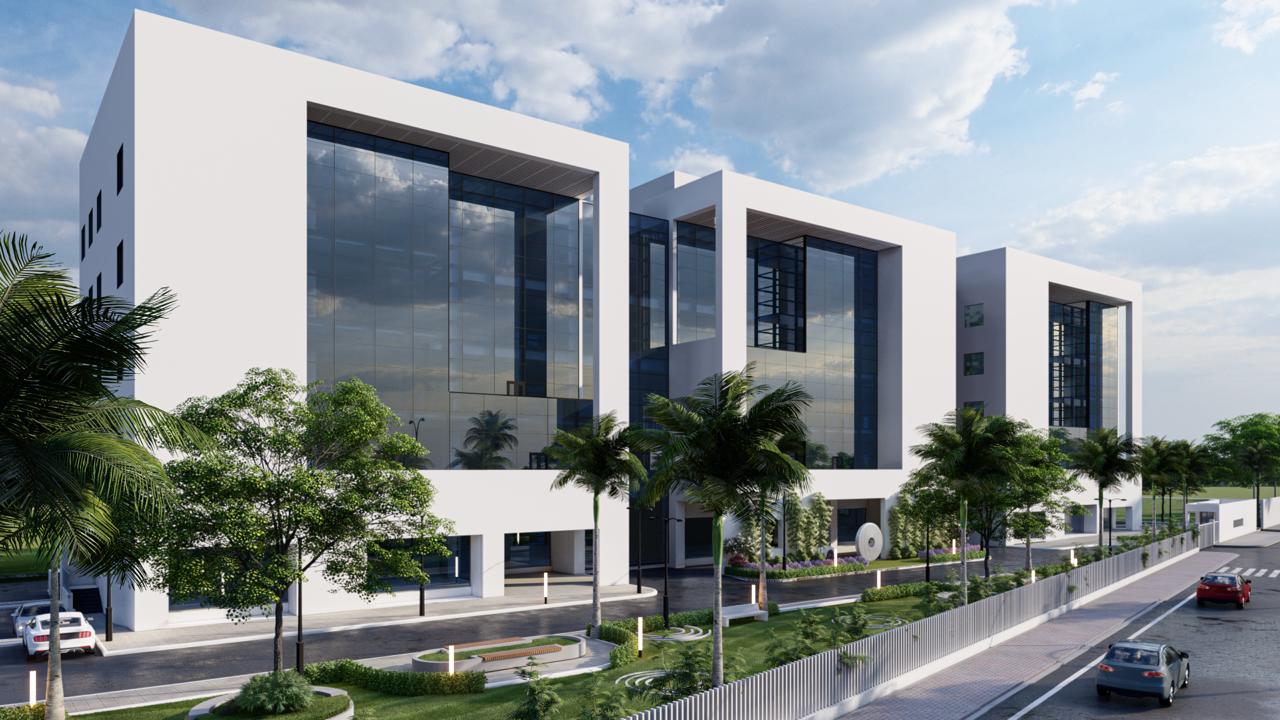
When the International Union of Architects (UIA) announced “Design for Strength” as the theme for World Architecture Day 2025 celebrated on October 6, it sent a powerful message to the global architectural community. In a world recovering from climate disasters, conflicts, and rapid urban shifts, the theme urges architects to rethink what “strength” truly means in design, not just as physical endurance but as resilience, adaptability, and the ability to heal. The UIA, representing over 100 countries, framed this theme to remind practitioners that the essence of architecture lies not only in how high a structure rises, but how deeply it stands for human continuity.
Beyond the calculations
Strength in architecture extends beyond steel, stone, and seismic calculations. It lies in resilient design thinking where material innovation meets empathy and foresight. As Veteran Architect and Managing Partner of Beyond Design Architects and Consultants, Alhad Gore, says, “Today on the day of “ World Architecture Day “ it is important to talk about “ Resiliency “.  With climate change, political unrests and wars and such other external factors, it is important that we look at built environment in a holistic way. Resiliency now needs to be built in right from project initiation to project master-planning, detailed design and through execution, handover and facility management. It needs to be done with technology on one hand and foresight and empathy on the other.” This year’s discussions echoed a shared sentiment: that designing for strength is not about resisting change, but embracing it. A truly strong building anticipates transformation in use, climate, and culture and adapts gracefully. Architectural strength today means designing with purpose, flexibility, and sustainability as core principles.
Structures That Have Stood the Test of Time
Across continents, several remarkable structures continue to exemplify what “Design for Strength” stands for — not merely in height or grandeur, but in endurance and resilience:
Burj Khalifa, Dubai: Engineered to withstand high winds and extreme temperatures, its Y-shaped design distributes weight and minimizes sway.
The Shard, London: Built with triple-glazed façades and a flexible steel frame that allows for thermal expansion and contraction.
Taj Mahal, India: Beyond its beauty, it features an ingenious foundation on a riverbank, absorbing seismic shocks for over 350 years.
Fallingwater, USA: Frank Lloyd Wright’s masterpiece balances concrete cantilevers with natural rock, merging human design with nature’s strength.
Sendai Mediatheque, Japan: Designed by Toyo Ito, this building withstood the 2011 earthquake thanks to its flexible, tube-structured design.
The Reichstag Dome, Berlin: Its glass-and-steel reconstruction after World War II symbolizes architectural and national resilience alike.

These examples prove that true strength lies not in resisting nature, but in understanding and collaborating with it.  A renowned dynamic Principal Architect from Z Design Studio, Solapur, Snehal Zunjarwad, emphasises on a thorough study of the context, users, climatic conditions and technical know-how for having a strong design. She believes in Conscious Design Methodology.
India’s Celebration of Design and Resilience
On October 6, 2025, India marked World Architecture Day with a series of events organized by key architectural bodies and institutions. The Indian Institute of Architects (IIA) hosted a gathering in Raipur, bringing together architects and design enthusiasts to celebrate the day and engage in discussions about the role of architecture in society. This event was promoted through the IIA’s official Instagram handle. A veteran Architect and Founder at Milind Pai Architects,  said , “We celebrate World Architecture Day by honoring innovative, sustainable designs that prioritize resilience. Strong buildings are essential as they withstand environmental challenges and enhance community safety. By blending creativity with durability, we ensure our creations not only endure but also enrich lives for generations to come. While Zunjarwad reflects, “We celebrate World architecture day, by just being a little more sensitive in our design approach,so as to give a more resilient and cheerful spaces to the end users. On World Architecture day, we take the opportunity to ponder on our own design thinking process and try to go one step ahead for the betterment.”
Building for Humanity
As the day concluded, one truth resonated, the strength of a building mirrors the strength of its purpose. Architecture that shelters, uplifts, and endures is architecture that respects life itself. To design for strength is to design for humanity. In the end, strong buildings don’t just survive, they help the societies thrive.