



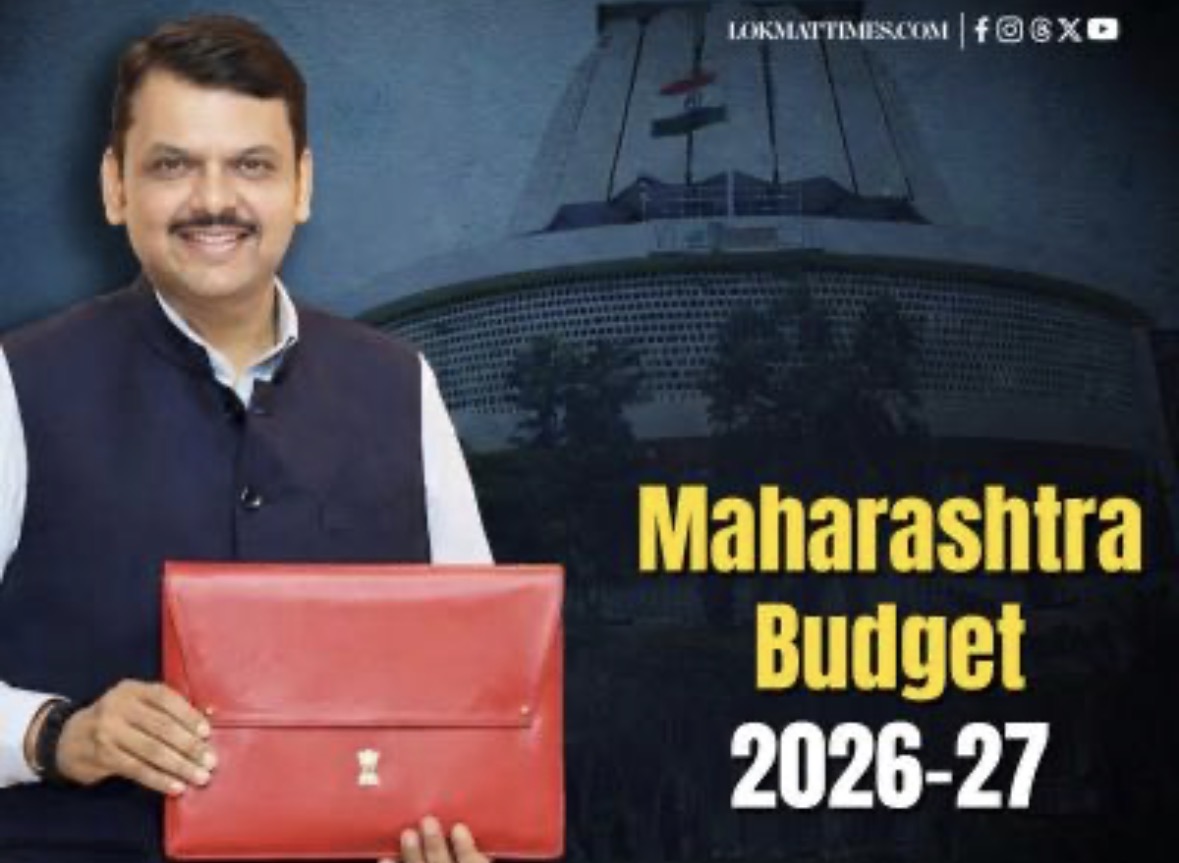
Maharashtra Budget 2026 Emphasises Housing and Infrastructure Growth
Devendra Fadnavis presented the Maharashtra State Budget 2026, outlining a long-term development roadmap focused on housing, infrastructure expansion, and sustainable urban growth. The budget places strong emphasis on affordable housing delivery, improved urban mobility, digital governance, and economic expansion, reinforcing Maharashtra’s position as one of India’s most significant economic engines.
A major highlight of the budget is the completion of 3.57 lakh houses under the Pradhan Mantri Awas Yojana, along with incentives for rooftop solar installations. The state government believes this approach will help boost housing affordability while also promoting sustainability in urban development.
The budget also outlines ambitious investments in metro networks, highways, and urban infrastructure in key cities including Mumbai, Pune, Nashik, and Nagpur, with the goal of accelerating economic growth and creating more than 50 lakh direct and indirect jobs.
Affordable Housing Push Under Maharashtra Budget 2026
One of the central pillars of the Maharashtra Budget 2026 is its strong focus on affordable housing development. The completion of over 3.57 lakh homes under PMAY is expected to significantly boost the residential real estate market across the state.
Prashant Sharma, President of NAREDCO Maharashtra, described the budget as forward-looking and beneficial for the housing sector.
According to Sharma, the emphasis on affordable housing and sustainability incentives will improve housing accessibility for a larger section of the population. Rooftop solar subsidies, in particular, are expected to reduce long-term energy costs for homeowners while encouraging environmentally responsible urban growth.
Industry stakeholders also believe that faster completion of housing projects will strengthen buyer confidence and support employment across the construction and real estate value chain.
Infrastructure and Metro Expansion to Transform Urban Mobility
Another significant aspect of the Maharashtra Budget 2026 is its commitment to major infrastructure and metro expansion projects aimed at easing urban congestion and improving connectivity.
Kaushal Agarwal, Chairman of The Guardians Real Estate Advisory, highlighted that projects such as expanded metro corridors, coastal roads, and signal-free connectivity will reshape the urban mobility landscape of Mumbai.
Key infrastructure initiatives include:
-
Wadala–Gateway of India underground metro corridor
-
Airport-to-airport metro connectivity
-
East–west road connectors across Mumbai
-
Coastal road infrastructure projects
These developments are expected to significantly enhance accessibility to South Mumbai while connecting emerging suburban growth corridors.
Improved connectivity often acts as a powerful catalyst for real estate development, increasing the attractiveness of surrounding micro-markets and encouraging balanced urban expansion across metropolitan regions.
Digitised Urban Governance in Maharashtra Budget 2026
Digital transformation of urban services is another key element of the Maharashtra Budget 2026. The government aims to digitise various municipal and civic services to improve efficiency, transparency, and citizen access.
Shraddha Kedia-Agarwal, Director at Transcon Developers, noted that digitised urban management systems will benefit both developers and homebuyers.
She explained that better governance tools can streamline project approvals, reduce administrative delays, and improve coordination between civic authorities and the real estate sector.
In addition, improved urban infrastructure—including coastal roads and underground traffic systems—will significantly enhance liveability in densely populated cities.
Experts believe such initiatives will play a crucial role in supporting sustainable urban expansion and improving the overall investment climate in Maharashtra.
Long-Term Urbanisation Vision Driving Real Estate Growth
The Maharashtra Budget 2026 also reflects a long-term vision for urbanisation, with the state targeting 70% urban population by 2047. To support this goal, the government plans to build extensive transport infrastructure, including nearly 6,000 kilometres of expressways and expanded metro networks.
Kamlesh Thakur, Co-Founder and Managing Director of Srishti Group, said the budget takes a comprehensive approach to urban planning and connectivity.
According to Thakur, projects such as:
-
Goregaon–Mulund Link Road
-
Versova–Bhayander Coastal Road
-
Underground traffic subways in congested zones
will significantly improve mobility within Mumbai and its surrounding regions.
When combined with affordable housing initiatives and digital urban governance, these infrastructure investments could strengthen Maharashtra’s appeal as a preferred destination for real estate investors, developers, and global businesses.
Maharashtra Budget 2026 Strengthens Economic Growth Ambitions
Beyond housing and infrastructure, the Maharashtra Budget 2026 also aims to strengthen the state’s position as India’s leading economic powerhouse.
The government expects the new initiatives to attract significant foreign direct investment and stimulate economic activity across sectors including manufacturing, services, and real estate.
With large-scale infrastructure projects, housing development, and job creation initiatives, Maharashtra is positioning itself for long-term economic expansion leading up to India’s development goals for 2047.
Industry experts believe that the combination of improved connectivity, sustainable housing policies, and digital governance will play a vital role in shaping the future of urban development in the state.