


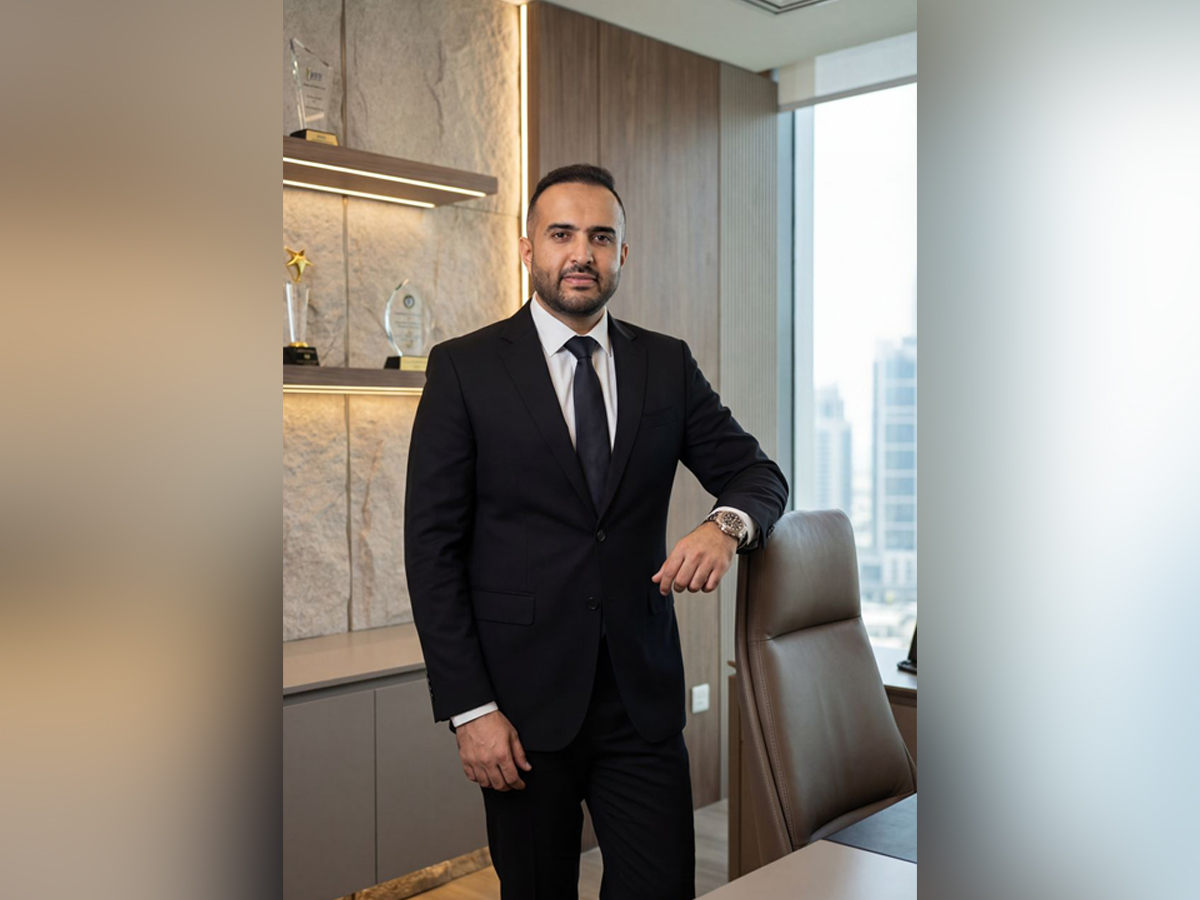
As the Mumbai-Pune corridor emerges as the next frontier of growth, developers are reimagining luxury living beyond conventional real estate. In a conversation with Tejaswini Paranjape, Karan Bahl, Founder and Director, Ascenta, shares his vision for Mumbai 3.0, the rise of hospitality-led communities, and how experiences, wellness and community are shaping the future of second-home living.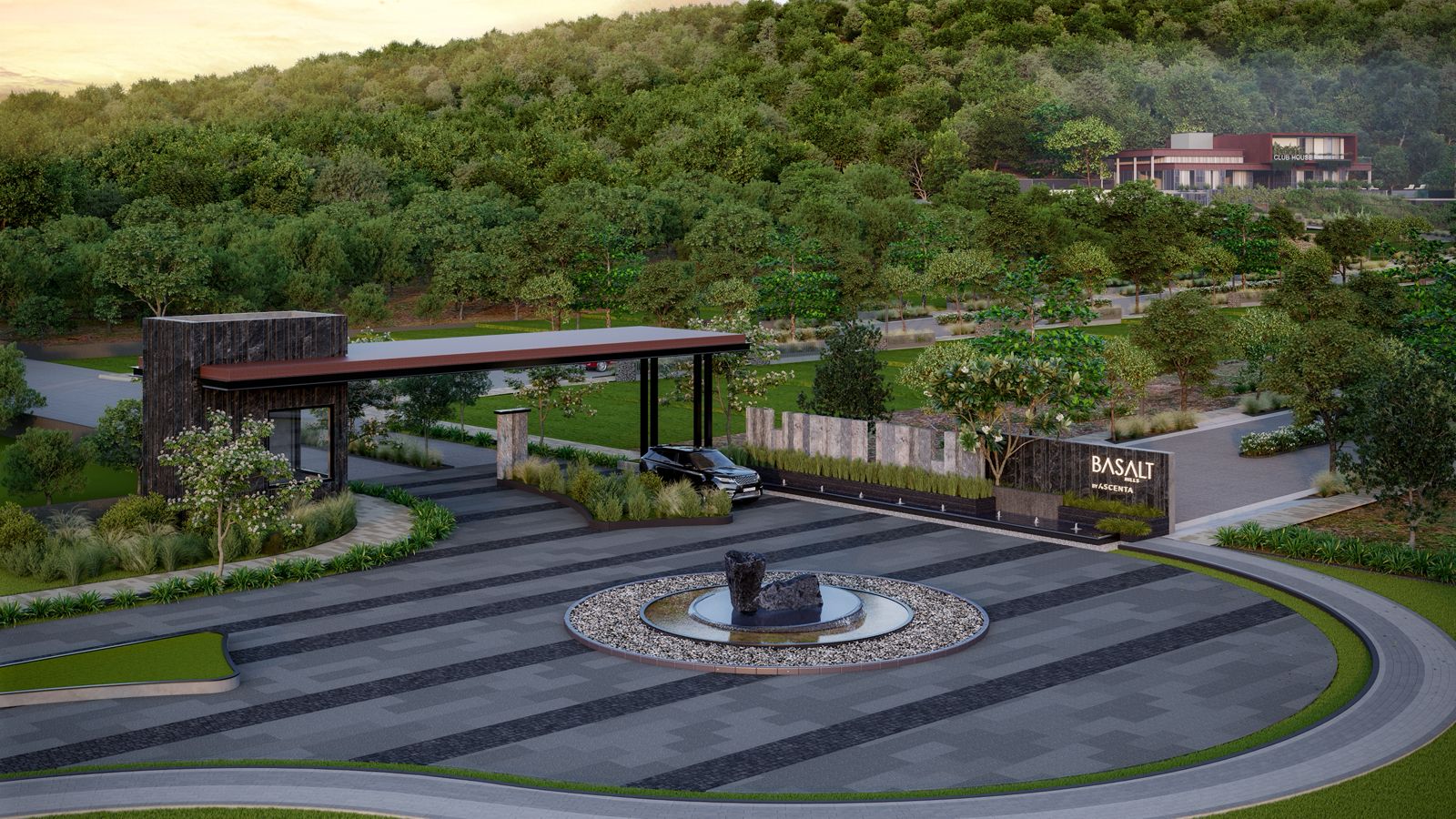
Mumbai-Pune Corridor- A new chapter of Growth
As infrastructure reshapes the Mumbai-Pune corridor, a new chapter of growth is unfolding beyond city limits. At the heart of this transformation is a shift in how affluent buyers perceive luxury, wellness and community. For Karan and the team at Ascenta Developers, Mumbai 3.0 represents not merely a real estate opportunity, but a chance to redefine the experience of living itself.
For decades, the stretch between Mumbai and Pune served primarily as a route connecting two of Maharashtra’s most powerful economic centres. Today, however, that geography is being reimagined. New infrastructure projects, improved connectivity and evolving lifestyle aspirations are converging to create what many industry observers describe as Mumbai 3.0—the region’s next major growth corridor.
Yet, while conversations around Mumbai 3.0 often focus on airports, highways, metro connectivity and investment potential, a more profound transformation is taking place beneath the surface. The region is witnessing a shift in consumer behaviour, one that is redefining how luxury living is perceived and experienced. For Karan, this shift was visible long before Mumbai 3.0 became a buzzword.
According to him, modern luxury buyers are no longer evaluating properties solely on location, size or specifications. Instead, they are increasingly prioritising experiences, wellness, privacy and convenience. The aspiration is no longer just to own a home; it is to enjoy a lifestyle that balances comfort, nature and meaningful experiences. This change in mindset has contributed significantly to the growing popularity of managed farmhouse and villa communities. As urban centres become denser and lifestyles more demanding, affluent homebuyers are seeking spaces that allow them to disconnect without sacrificing convenience.
“People are looking for a complete experience,” says Karan. “They want open spaces, cleaner environments, personalised services and the assurance that everything is taken care of when they arrive.”
This demand has become particularly relevant in the emerging Mumbai-Pune corridor, where improved infrastructure has dramatically reduced travel times. Destinations that were once perceived as remote are now within comfortable reach of both cities.
Experiences create destination
For Ascenta, the opportunity lies not merely in building homes within this corridor, but in helping shape what the corridor itself becomes.
The company’s vision is rooted in a simple observation: infrastructure may create access, but it is experiences that create destinations. This philosophy is reflected in the company’s hospitality-led approach to development. While traditional real estate models often conclude with project delivery and handover, Ascenta is attempting to blur the boundaries between residential development and hospitality management. The objective is not simply to provide a home, but to create an environment where residents experience the ease and comfort traditionally associated with premium hospitality brands.
Services
Services such as housekeeping support, property maintenance and curated experiences are designed to remove the operational burdens often associated with second-home ownership. For many buyers, this represents a significant shift from conventional real estate offerings.
The concept is particularly relevant in the managed villa segment, where owners may use their properties periodically rather than as primary residences. By introducing hospitality-inspired management systems, Ascenta seeks to ensure that residents can focus on enjoying their homes rather than maintaining them.However, the company’s ambitions extend beyond services alone.
Building Communities
One of the recurring themes in Karan’s vision is community building. He believes that long-term value is created not merely through construction, but through the relationships, experiences and interactions that develop over time.
This thinking has influenced the way Ascenta approaches planning and programming within its developments. Open spaces, wellness-oriented environments, recreational amenities and community-driven activities are envisioned as essential components rather than supplementary features.The goal is to create places where people genuinely want to spend time—places that encourage interaction, foster belonging and generate lasting memories.
In many ways, this approach reflects a broader evolution within the luxury real estate sector. Across global markets, developers are increasingly recognising that consumers are seeking emotional value alongside financial value. Buyers are no longer investing solely in physical assets; they are investing in experiences, convenience and quality of life.
Ascenta’s response to this trend has been to position itself at the intersection of real estate and hospitality.
Traditional, yet Urban
It is a strategy that aligns closely with the emerging identity of Mumbai 3.0 itself. As connectivity continues to shrink distances between Mumbai and Pune, the region is becoming more than a transit corridor. It is evolving into a lifestyle destination capable of attracting investors, second-home buyers and families seeking alternatives to traditional urban living. For Karan, the opportunity lies in anticipating that future and creating products that respond to it. As Mumbai 3.0 continues to take shape, its success will ultimately be measured not only by the roads, airports and infrastructure that connect people, but also by the communities and experiences that encourage them to stay. By combining hospitality, wellness and long-term stewardship with real estate development, Ascenta is seeking to contribute to that larger narrative.
If infrastructure is laying the foundation for Mumbai 3.0, companies like Ascenta are attempting to define how life within that future corridor will be experienced. And in that ambition lies a vision that extends well beyond bricks and mortar.