



Delhi is a city of palimpsests of sandstone courtyards and skyline-piercing towers, Mughal symmetry and millennial asymmetry. Its interior design ecosystem postulates that same paradox: a meeting point of age-old craft and algorithm-driven aesthetics. In a city where nostalgia and novelty collide, three designers from three generations are reimagining space, each through their own cultural memory and technological lens.
Chapter I: The Bohemian Alchemist

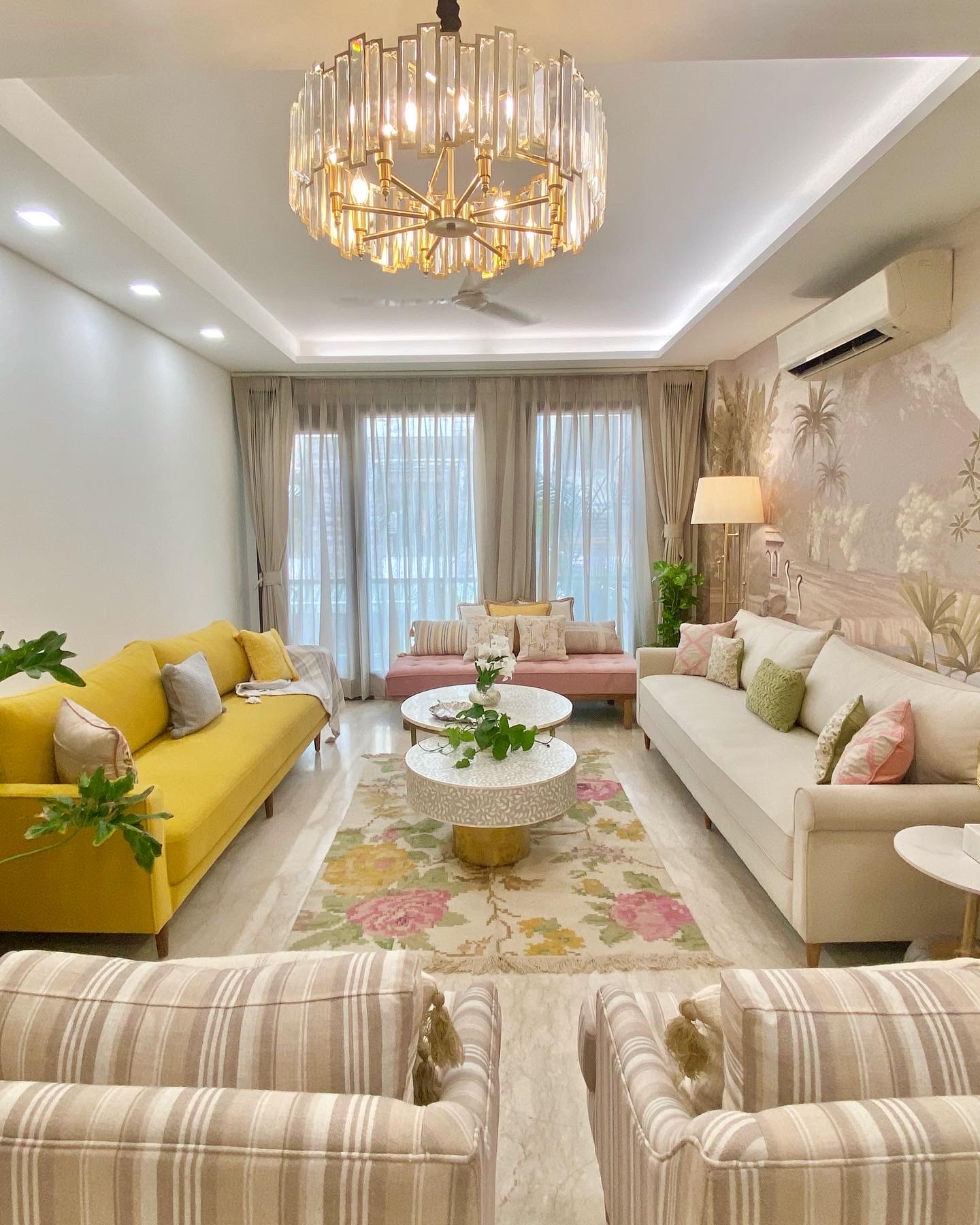
Mawash Sheeki, Interior Designer and Stylist, Sheek Design Studio
For Sheeki, design was never about degrees or formalism. It began as an instinctive act, staging college rooms with DIY crafts, sourcing natural elements from the green lung that is the JNU campus, and upcycling everyday objects into décor. What began as hobbyist passion matured into a professional practice rooted in resourcefulness, empathy, and innovation.
“My design philosophy translates from nature, with a blend of timeless Baroque influences,” she explained. Her work is recognisable by its use of natural textures, handcrafted collectibles, and vibrant personal touches that ensure each space has a distinct identity.
In her projects across Western Delhi, Tilak Nagar, Janakpuri, Uttam Nagar, she has noticed a distinct openness to experimentation, particularly in middle-income households where storytelling trumps standardisation.
According to Sheeki, one of the most substantial market shifts post-2020 has been the growing emotional investment clients place in their homes. “People now spend more time indoors, and they want spaces that reflect their aspirations, not just accommodate function.”
In terms of technology, Sheeki’s adoption of digital tools like SketchUp and ChatGPT has enhanced her ability to take creative risks. “We can now prototype ideas quickly and help clients visualise them, which helps push boundaries without alarming clients.”
Her firm champions sustainable choices, reupholstering heirloom furniture, using recycled wood, and building outdoor spaces that evoke mindfulness. Sheeki concluded, “By 2035, Delhi interiors will need to carry forward legacy and sentiment but reinterpret them through minimal, environmentally intelligent design. That’s how you achieve timelessness.”
Chapter II: The Balanced Narrator
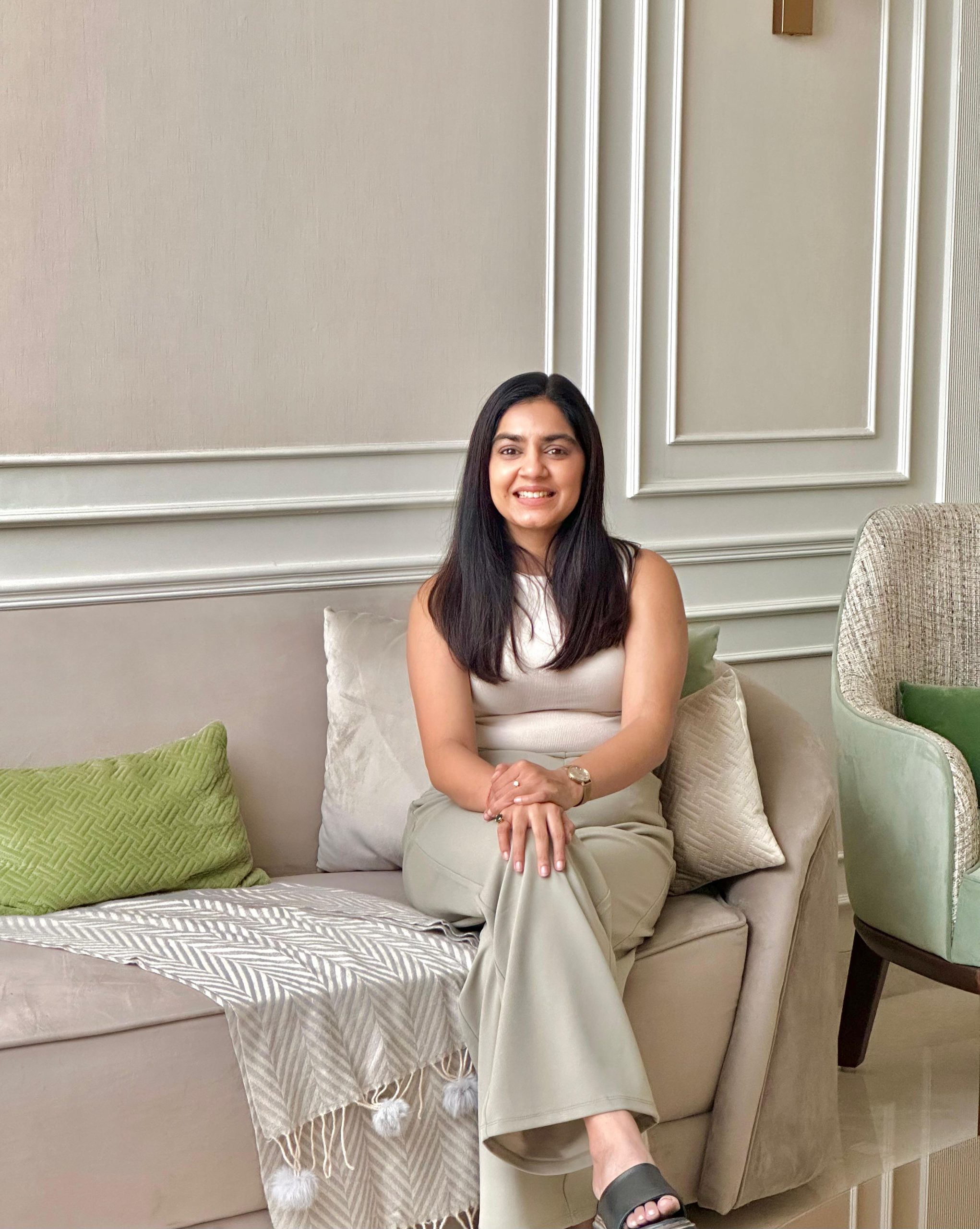
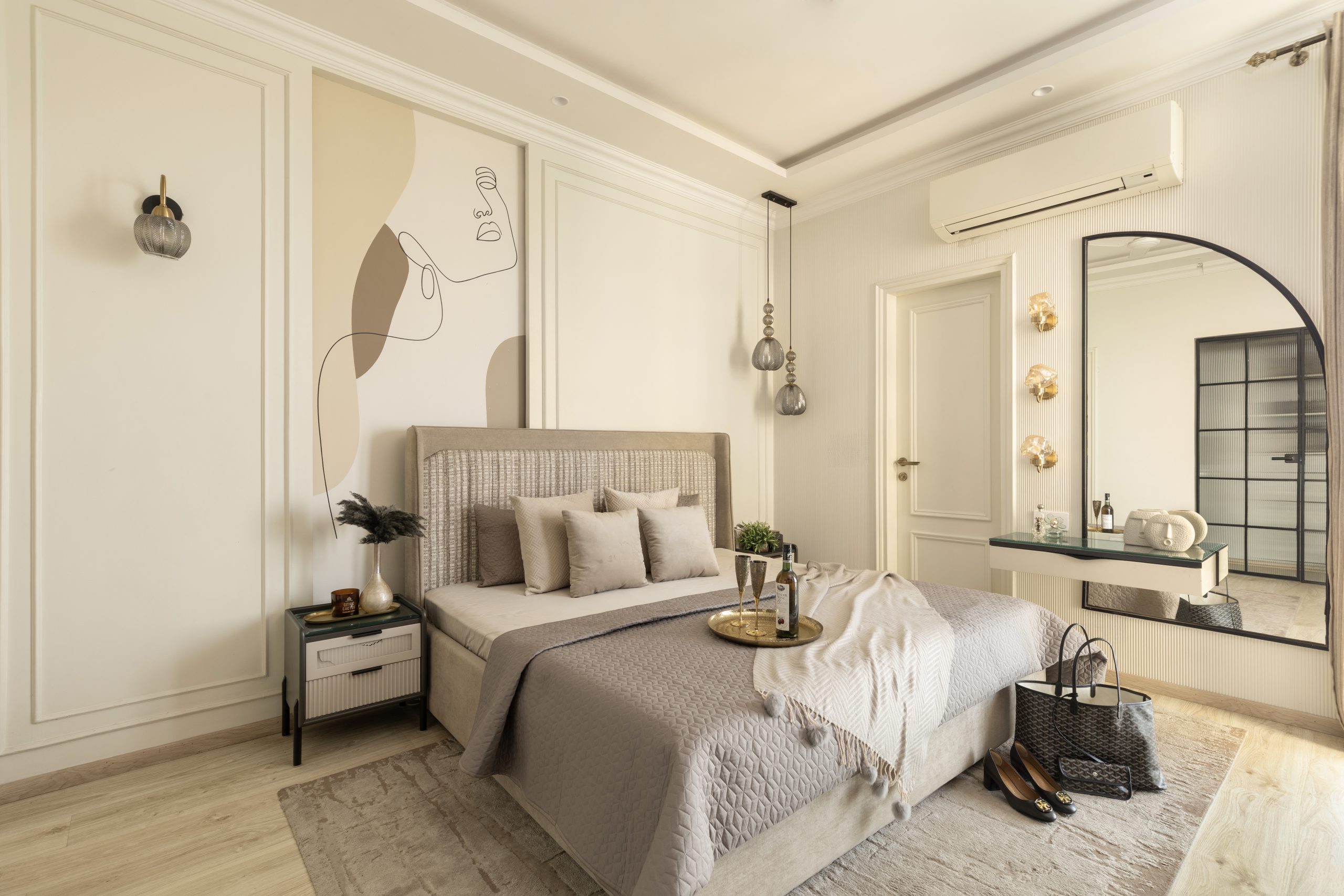
Ishita Oberoi, Principal Designer, Outlier Studio
Ishita’s journey began in her mother’s architecture studio, absorbing the ethos of spatial planning before she ever put pen to paper. Today, as Principal Designer at Outlier Studio, her projects embody cohesion without uniformity.
“I approach every project as storytelling through space,” she shared, referencing a recent penthouse project in Delhi as the best encapsulation of her design language. The lower level of the penthouse was designed with a calm, earthy sensibility, punctuated by curated bursts of colour. The upper level, in contrast, channelled bolder visual statements: deep greys and blues creating mood and movement.
“It’s about striking a balance between calm and expression,” she said. What distinguishes her generational perspective is the ability to blend legacy with speed. “Our generation respects the rigour of traditional craft but is unafraid to integrate new processes and pivot with market needs.”
She also noted that client roles have shifted from passive recipients to active collaborators. “Today’s client is well-travelled, design-literate, and digitally enabled. Pinterest boards are the new design briefs. Our job is no longer to dictate, but to distil.”
Ishita is a vocal advocate of sustainability, redefining it as not just material efficiency but design longevity. From modular layouts that evolve with needs to working with local artisans for reduced footprint, she sees conscious consumption as a key tenet of future luxury.
“By 2035, high-end interiors will be hyper-personal and deeply responsible. Regulatory frameworks will demand it, and discerning clients will expect it.”
Chapter III: The Precisionist Pioneer

Hardesh Chawla, Founder, Essentia Environments
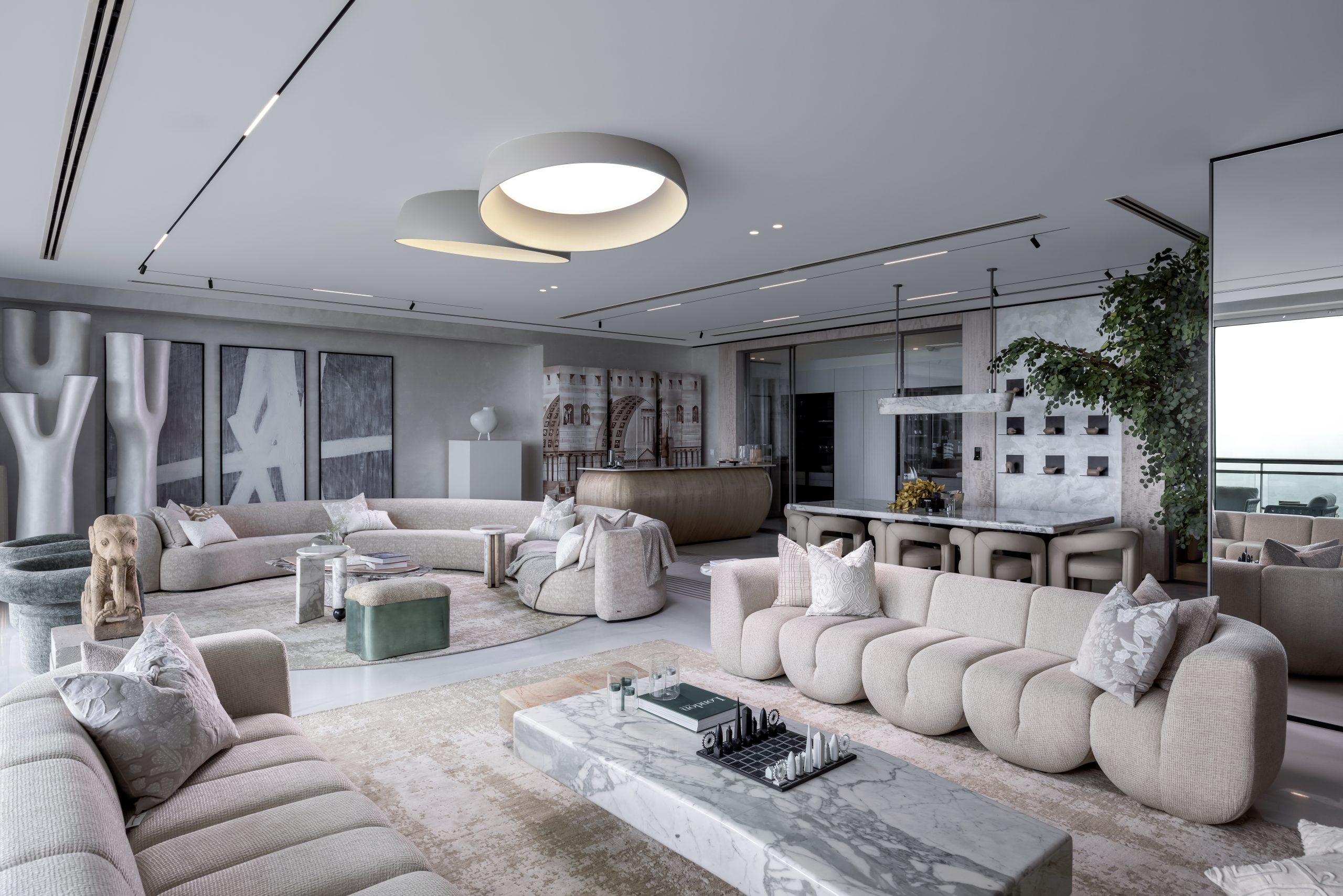
For over a decade, Essentia Environments has operated on a singular philosophy: complete vertical integration. Led by Hardesh Chawla, the firm is among India’s few full-spectrum design houses, handling everything from architectural planning to on-site execution and in-house manufacturing.
“Luxury is not a finish; it’s a process,” Chawla explained. “Our approach ensures complete design control, enabling us to deliver exacting customisation at scale.” This philosophy was put to the test and triumphed, at The Camellias, a high-end residential complex on DLF Golf Course Road.
There, Essentia designed and executed over 50 unique residences, each tailored to the lifestyle and aesthetic preferences of its owner. While older generations may have excelled in design vision, Chawla’s generation brings an engineering and operations mindset to design.
“We don’t outsource. We control. That’s our advantage.” Compared to younger firms
which may bring agility and trend fluency, Chawla believes his firm’s maturity lies in its infrastructural depth, owning the manufacturing pipeline, sourcing ethically certified materials, and ensuring flawless white-glove delivery.
Chawla sees AI and automation as the future of experiential luxury. “Smart systems are now intuitive, learning preferences, adjusting temperature, lighting, and even mood-based sensory elements. Tomorrow’s home will be adaptive, not static.”
His 2035 forecast is bold: “We will move toward living, breathing homes; spaces that curate themselves based on your physical and emotional state. Delhi is ready for this shift.”
Generational Crossroads: What the Market is Telling Us
The insights from Sheeki, Ishita, and Chawla paint a clear picture: Delhi’s interiors industry is moving away from transactional design and toward narrative-driven, highly customised, and emotionally intelligent spaces.
For younger designers, digital tools provide agility, allowing them to pitch bold ideas to clients who are increasingly open to risk. For mid-career practitioners, it’s about mastering balance between vision and viability, legacy and innovation. Senior leaders, with deeper operational muscle and capital investment, are creating scalable systems that redefine luxury through automation and infrastructure.
In economic terms, clients are willing to invest more, but demand returns in the form of longevity, well-being, and identity alignment. The value proposition has shifted from visual appeal to functional richness and emotional depth. Homes are now performance spaces for rest, work, leisure, and therapy.
Technology is not just a facilitator, it is becoming the co-designer. Whether it is AI-generated walk-throughs, predictive HVAC systems, or modular furniture solutions, interior design is increasingly tied to real-time analytics and hyper-personalisation.
Meanwhile, sustainability has moved beyond bamboo baskets and jute carpets. It now includes ethical sourcing, low-emission finishes, HVAC planning, and long-life adaptability. Sustainability is no longer an ‘add-on’; it is integral to good design.