


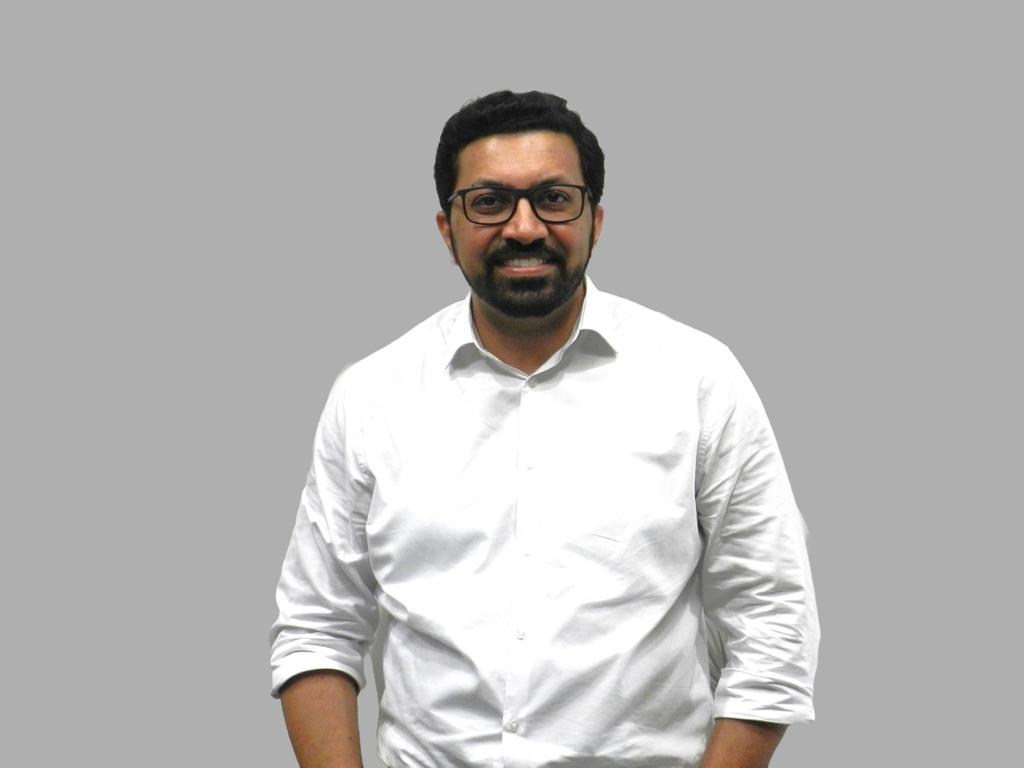
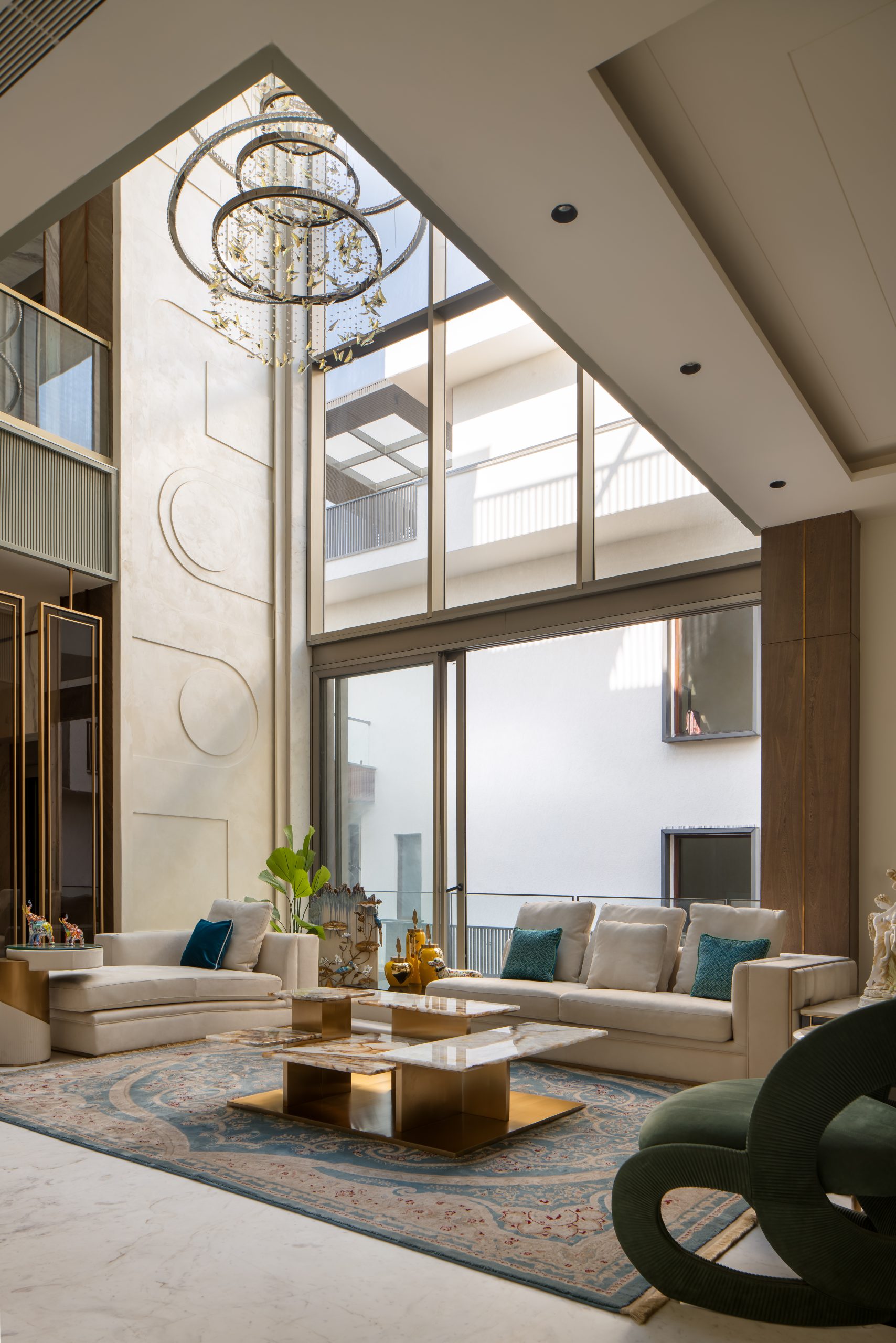
STEP Design Firm grew from small residential assignments to a studio that balances homes, hospitality and commercial work. Founder and principal architect Gauresh Garg graduated in 2008, worked across four practices, then set up STEP in late 2013. The studio has since delivered more than 350 homes. Residential work accounts for roughly 60 percent of the portfolio, while hospitality and commercial projects form the remaining 40 percent and are growing.
Technique, Aesthetics, Practicality
STEP stands for Studio for Technique, Aesthetics and Practicality. The name reflects a goal Garg set early in his career. “The intent was to bring theory to practise,” he said. “We conceptualise first. We work into concepts, material boards and specifications before the final project is developed,” he explained. Projects begin with concept, material boards and specifications, then move to layouts and details.
Process that starts with use
Garg’s role has evolved from all-hands production to principal designer and supervisor. The team drives detailing, while major design decisions still go through him. An early apartment in Gurgaon became a turning point. The developer noticed the work, and long term commissions followed. That small win helped the practice stand on its own.
Function is mapped through walkthroughs. The team imagines how people enter, pause and move, and then edits plans and finishes. One example came from a children’s room. After a mental run-through, STEP raised the switchboards to five feet and removed sockets within reach. That small adjustment improved safety with no cost shock. Garg summed by a familiar line. Design is how it works, then how it looks.
Delhi’s density and the builder economy
On urban issues in Delhi, Garg pointed to density first. Higher FAR and land prices have pushed multi-owner redevelopment. Buildings are taller, trees feel lower, and ground floors lose daylight. Increased FAR and land prices have pushed multi-owner redevelopment, elevating buildings and shading ground floors. “Sunlight does not seep in and microclimate is affected,” he observed. He noted a sustainability paradox. Shared structures can pool resources, yet market incentives often dominate climatic logic.
Another stress point is the builder-led model. Garg observed that many developers talk numbers rather than energy or envelope performance. A small but growing group is changing the conversation, mainly in the premium segment. He called for wider awareness inside codes, contracting and the craft ecosystem. Local materials and workmanship deserve more trust. Imported is not automatically better.
Tools that help rather than replace
Garg sees AI and BIM as essential, used in the right way. AI helps STEP turn a quick massing or basic model into visual references that clients can read. He said it gets about seventy to eighty percent of the intent and speeds up early conversations. The warning is simple. Do not let the tool replace learning. Treat AI like a starting page, not the final source. BIM is described as non-negotiable. Coordination across automation, security, electrical, plumbing, firefighting and structure has become more layered every year. BIM reduces drawing conflicts and site surprises and is now integral to STEP’s workflow.
Range, mentors and method
Garg’s early jobs covered housing, industrial and institutional work, then high end residential. The variety built confidence and a consistent concept-first habit. Reading and travel remain part of his routine. He cites Frank Lloyd Wright, Zaha Hadid and Bjarke Ingels for clarity and storytelling, and in India he often references the resourceful geometry of Sanjay Puri.
Guidance for young practices: Slow down to move fast
His advice to a 20-year-old architect is to slow down in order to move faster. Learn one zone deeply, then add the next. He said the value of a design rises with the time and thought inside it. Practice is a giving field. Patience and repetition build authority. The goal is not less work, but better focus. Become a master of one vertical, then take the next step.
What is the next STEP?
STEP expects to triple its scale in about five years, driven by hospitality. A new hotel in Gorakhpur is one example. Garg likes the complexity of back-of-house and guest choreography. The services should run smoothly while staying invisible to the guest. That requires systems thinking from concept to commissioning.