



Sandeep Singh, Managing Director of Brawn Globus, shares the company’s approach to delivering high-quality projects, the importance of understanding client business, and the role of automation in enhancing capabilities. He also discusses the growth prospects of the office segment, driven by the rise of Global Capability Centers (GCCs) in India, and highlights the company’s focus on sustainable solutions in a zoom interaction with Tejaswini Paranajape.
Q. From the stage of brief to handover, how do you approach a project? What defines the Brawn Globus methodology?
The journey from brief to handover is extensive, but the foundation always lies in understanding the client’s mindset — which essentially means understanding their business. Once the business requirement is clear, every subsequent step becomes structured and organised. Many internal processes follow this brief, but the core principle remains that a strong understanding of the client’s business enables a well-directed delivery path.
Q. What, according to you, makes a turnkey partner genuinely reliable? What is your USP?
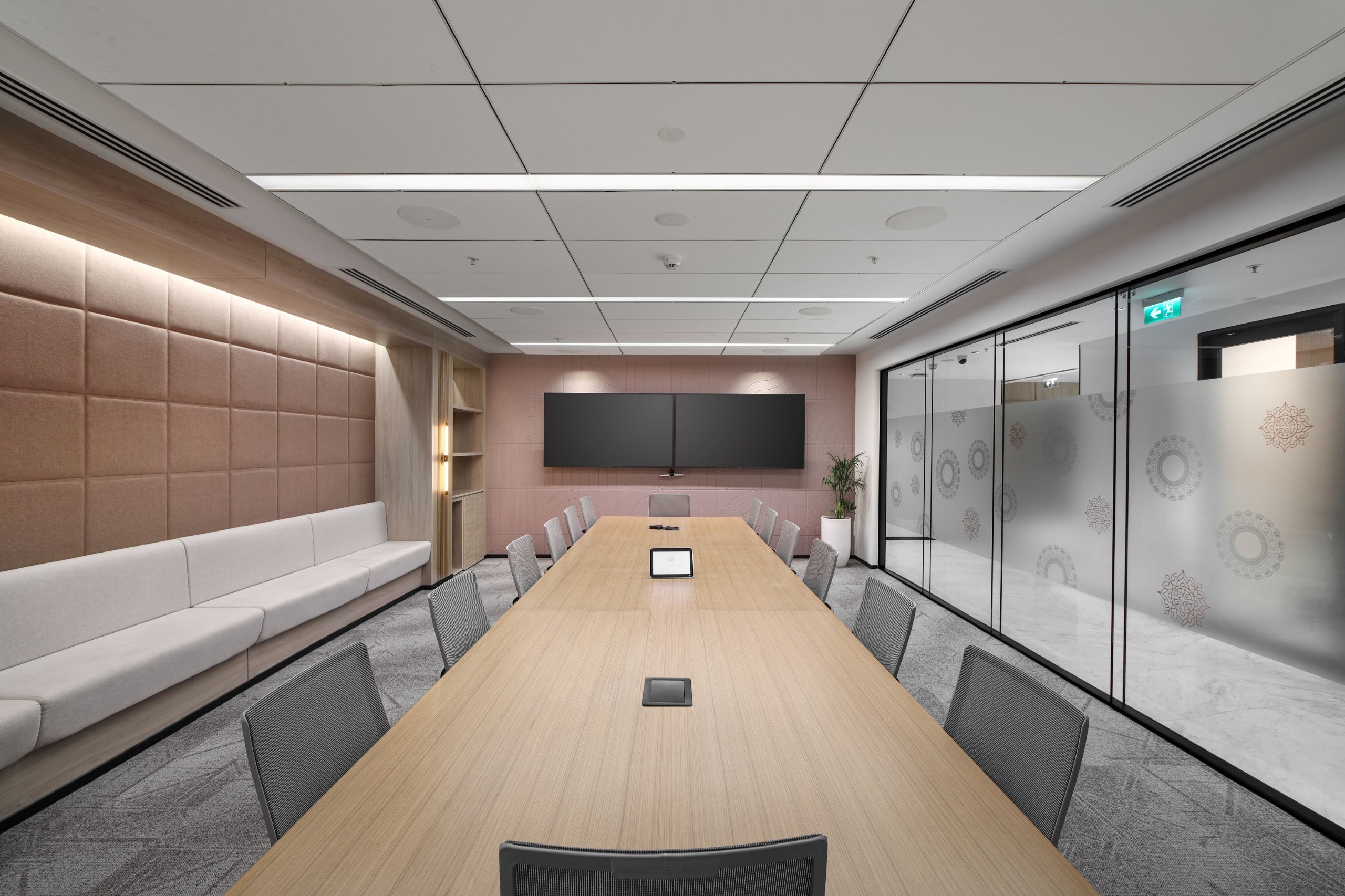
A turnkey partner is responsible for implementing the first physical environment of your business — whether it is an office, retail store, or hospitality space. Choosing the right partner solves half the challenges upfront. A reliable turnkey partner ensures the project is delivered on time, within the expected cost parameters, and at the right quality levels. Our focus has always been on aligning closely with the business vision and delivering predictable outcomes.
Q. Faster delivery cycles are now the top priority for clients. How have you adapted internally to meet these expectations without compromising quality?
Speed has become the most critical factor today. To match this, we have built a young and agile team that responds quickly. We also have in-house fabrication and factory setups, supported by automation across modelling, drafting, planning and other technical processes. These tools significantly accelerate timelines while maintaining consistency.
Q. How do you view the role of automation? Is it replacing jobs or supporting them?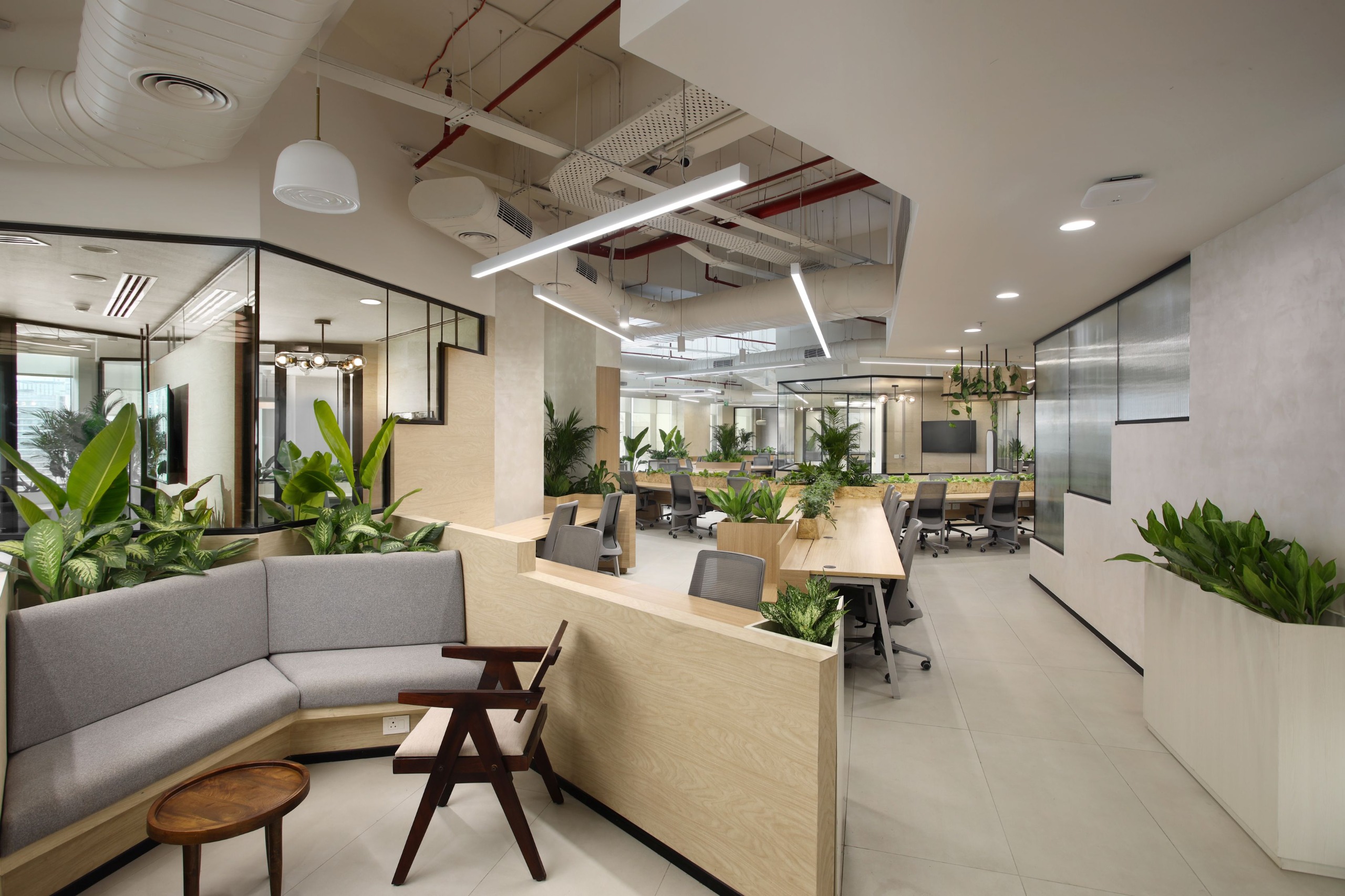
Automation is essential when timelines need to be squeezed. Manually reducing timelines often requires compromising on certain parameters, which is not advisable. Automation allows us to maintain quality while improving speed. It increases the skill level of the team rather than replacing roles. By using advanced software, AI tools and factory-based production, we enhance capabilities rather than reduce opportunities.
Q. What are the typical execution challenges you face in day-to-day operations?
Decision-making remains the most common challenge. Each individual takes decisions differently, and delays in decision-making often extend project timelines. While we work hard to reduce timelines, delayed decisions have the opposite effect and can negatively impact business outcomes. Maintaining alignment and timely approvals are therefore crucial.
Q. You operate across offices, retail, hospitality, and residential projects. Which segment is showing the strongest momentum?
Offices have shown consistent and significant growth over the last four to five years, and that momentum is likely to continue for the next four to five years. The rise of GCCs, including expansions into tier-2 locations, is driving this demand. India has emerged as a credible and dependable partner for GCCs due to its workforce availability and overall ecosystem readiness. Retail follows closely behind in terms of growth.
Q. What explains the sudden surge in demand for workspace development?
India’s position as a trusted destination for GCCs is the primary driver. When companies consider setting up GCCs, India is usually the first choice. These facilities require large teams and substantial infrastructure, which India is able to support effectively. This makes the office segment one of the most vibrant sectors currently.
Q. When brands roll out projects nationwide, how do you ensure consistency across locations?
We operate through dedicated offices across India — in Bangalore, NCR, Mumbai, and a representative office in Hyderabad. Each office manages its respective zone as an independent business unit. Bangalore oversees the South, Mumbai manages the West, and NCR handles the North and Northeast. This zonal structure helps maintain quality, consistency, and faster responsiveness across multiple locations.
Q. What sustainable, repeatable solutions are you offering clients?
As a design-and-build partner, we can identify recurring requirements and help clients standardize them. Standardisation allows brands to replicate solutions across multiple locations without reinventing them each time. This approach is cost-effective, reduces trial-and-error, and is inherently more sustainable.
Q. What are Brawn Globus’ key areas of investment for 2025–26? What will shape your next phase of growth?
We are focusing heavily on the institutional sector, which is growing rapidly in India. We are already working on several large institutional projects and expect this segment to expand further over the next five years. Additionally, we are exploring international opportunities, especially in the GCC region. These priorities form a part of our long-term growth strategy through 2025–26 and beyond. Automation and production upgrades will also continue to play a major role.