



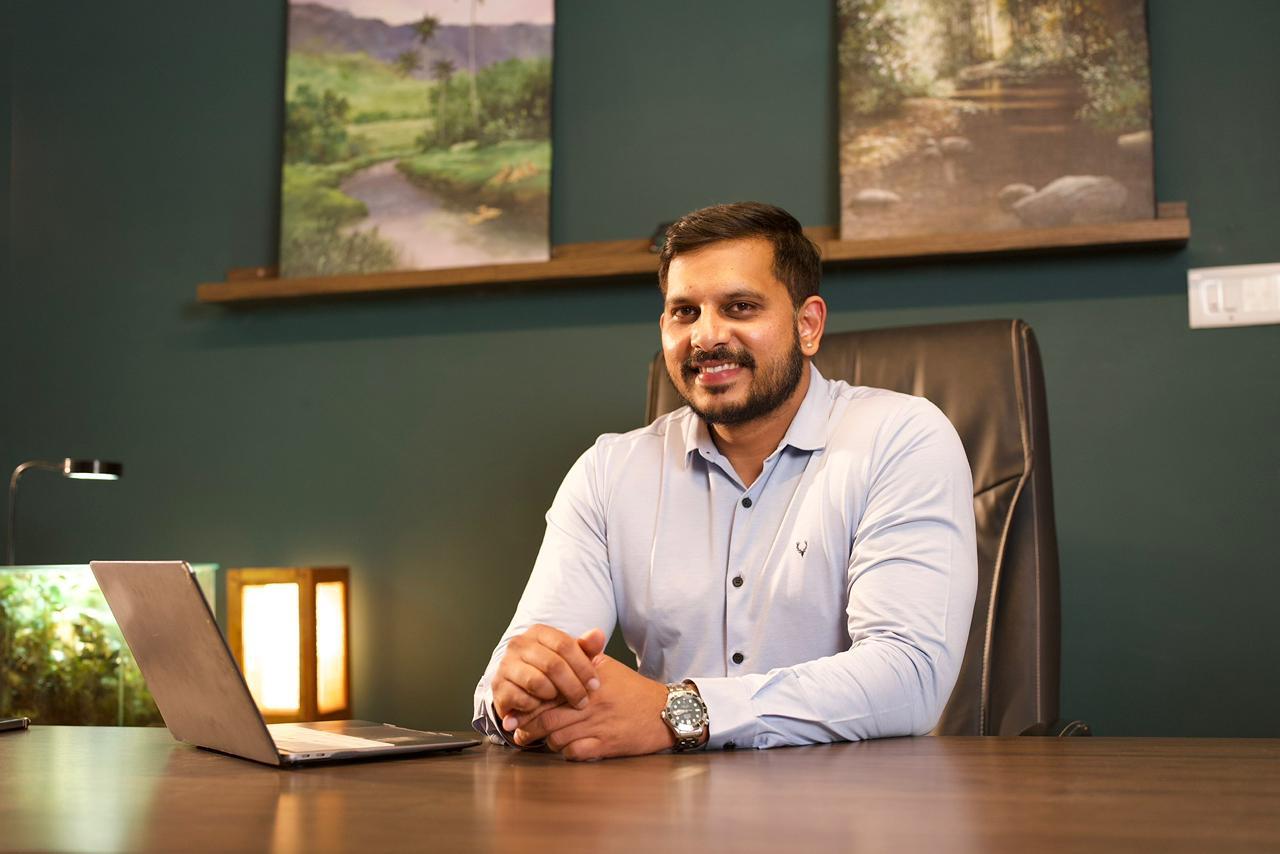
As hospitality and real estate projects increasingly compete on experience rather than built form alone, landscape architecture has emerged as a strategic investment that shapes guest engagement, sustainability and long-term asset value. From luxury resorts and branded residences to mixed-use developments, developers are integrating outdoor environments into master planning to create differentiated destinations. In a conversation with Asmita Mukherjee, Suraj Nayak, Founder and Managing Director of Ecoscapes Landscaping, discusses the evolution of landscape design from an aesthetic add-on to a core business asset.
What is your current expansion strategy, and which markets or project types are you prioritising next?
At Ecoscapes, our growth strategy is focused on quality rather than volume. Over the past 18 years, we have built expertise in delivering integrated landscape solutions for luxury hospitality, premium residences, commercial developments and institutional projects. Going forward, our primary focus is on luxury hospitality, branded residences, wellness retreats, mixed-use developments and high-end villas.
We are also expanding our capabilities beyond landscaping to include water features, swimming pools, outdoor hardscapes, irrigation, lighting and long-term landscape maintenance. Our vision is to become India’s most trusted integrated outdoor development company, delivering complete experiences rather than just green spaces.
How is the demand for landscape design evolving in the hospitality sector, especially with the rise of experiential and destination-led hotels?
The hospitality industry has undergone a significant transformation. Earlier, landscaping was viewed as beautification. Today, it is an integral part of the guest experience.
Guests increasingly choose destinations that offer immersive outdoor environments, wellness spaces, nature trails, water bodies and thoughtfully designed gardens. Landscape architecture now directly influences guest satisfaction, social media engagement and repeat visits.
Hotels are investing more in creating memorable outdoor experiences because they understand that a great landscape becomes part of the property’s identity. The landscape is often the first impression and the last memory a guest takes home.
From an investment perspective, how do you position landscaping within overall project development budgets today? Do you see it increasingly being treated as a core asset rather than a finishing layer?
Absolutely. Progressive developers no longer see landscaping as the final cosmetic layer. They recognise it as a long-term investment that enhances asset value, guest experience and operational performance.
A well-designed landscape improves the marketability of a project, increases property value, enhances environmental performance and creates healthier spaces for users. It also contributes to sustainability by reducing heat, improving biodiversity and managing stormwater effectively.
We encourage clients to involve landscape consultants at the master planning stage because the earlier landscaping is integrated, the greater the long-term value it creates.
What is Ecoscapes’ USP compared to traditional landscaping firms or design consultants working in hospitality projects?
Our biggest differentiator is that we provide end-to-end execution under one roof.
We combine landscape design coordination, engineering, swimming pools, water bodies, irrigation, hardscape construction, lighting, outdoor furniture integration and maintenance. This integrated approach ensures consistency in quality, timelines and accountability.
Having executed several luxury hospitality projects, we understand the operational standards expected by premium hotel brands. We don’t simply create beautiful landscapes—we build outdoor environments that are functional, durable, sustainable and easy to maintain over the long term.
Could you walk us through your execution model? How do you integrate design, sustainability and on-ground delivery across large-scale hospitality and mixed-use developments?
Execution begins with understanding the client’s vision, operational requirements and site conditions. We collaborate closely with architects, landscape consultants, structural engineers and MEP teams from the earliest stages.
Every project undergoes detailed planning, value engineering and material selection before execution begins. Sustainability is embedded into every stage through responsible water management, native and adaptive plant selection, efficient irrigation systems, recycled materials wherever feasible and climate-responsive planting strategies.
Strong project management, quality control and experienced execution teams allow us to deliver complex hospitality projects while maintaining international standards.
How important are international partnerships in shaping your design philosophy and scaling your portfolio?
International collaborations have played a significant role in expanding our design perspective. Working alongside globally recognised landscape architects has exposed our team to new ideas, construction methodologies and design philosophies.
Our work on projects such as Taj Hampi demonstrates how international expertise can be successfully combined with local knowledge, craftsmanship and climate-sensitive execution.
These collaborations help us continuously raise our standards while ensuring every project remains rooted in its regional identity rather than simply replicating international trends.
How do you see sustainability and climate-responsive design influencing investment decisions by hotel developers and real estate players in India?
Sustainability has shifted from being a desirable feature to becoming a business necessity.
Developers today are looking beyond aesthetics. They are investing in landscapes that reduce water consumption, improve energy efficiency, support biodiversity and lower long-term maintenance costs.
Climate-responsive landscapes are proving to be economically beneficial because they reduce operational expenses while enhancing guest comfort and environmental resilience. As ESG goals become increasingly important, sustainable landscapes will continue to play a larger role in investment decisions.
What are the key revenue drivers for Ecoscapes today, and how do you plan to scale through large marquee projects, long-term maintenance contracts or integrated urban landscape solutions?
Our revenue today is driven primarily by turnkey landscape execution for hospitality, premium residential and commercial developments.
We are also seeing significant growth in swimming pools, water features, specialised hardscapes and integrated outdoor infrastructure. Long-term landscape maintenance is becoming another important business vertical because clients increasingly prefer lifecycle management rather than one-time execution.
Our growth strategy focuses on delivering larger marquee hospitality developments, integrated township landscapes, luxury residential communities and sustainable urban public spaces. We believe the future lies in offering complete outdoor development solutions—from concept to execution and long-term maintenance—creating enduring value for both developers and end users.
Asmita.mukherjee@saffronsynergies.in

