


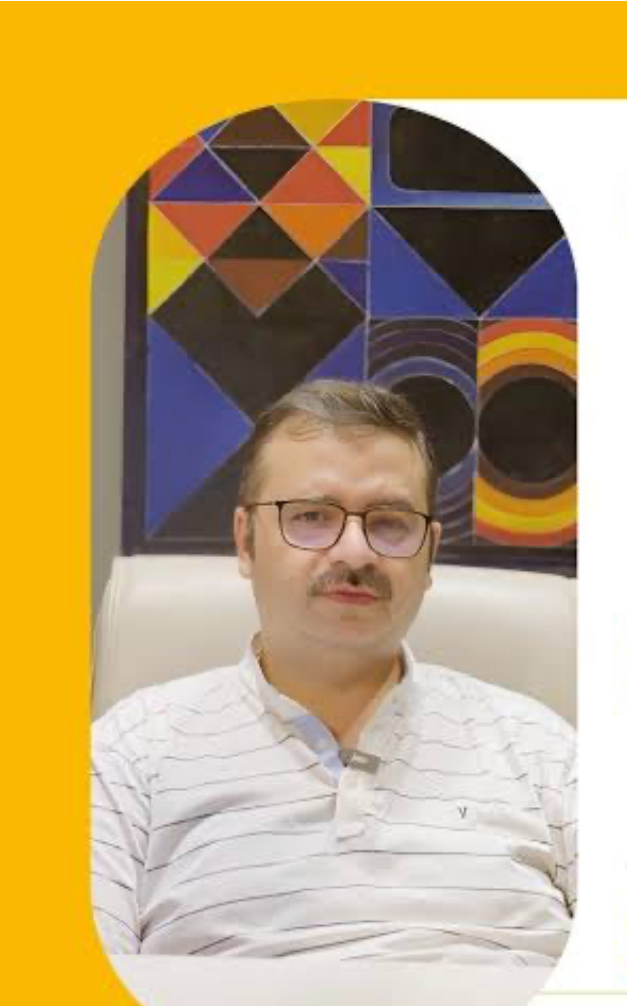
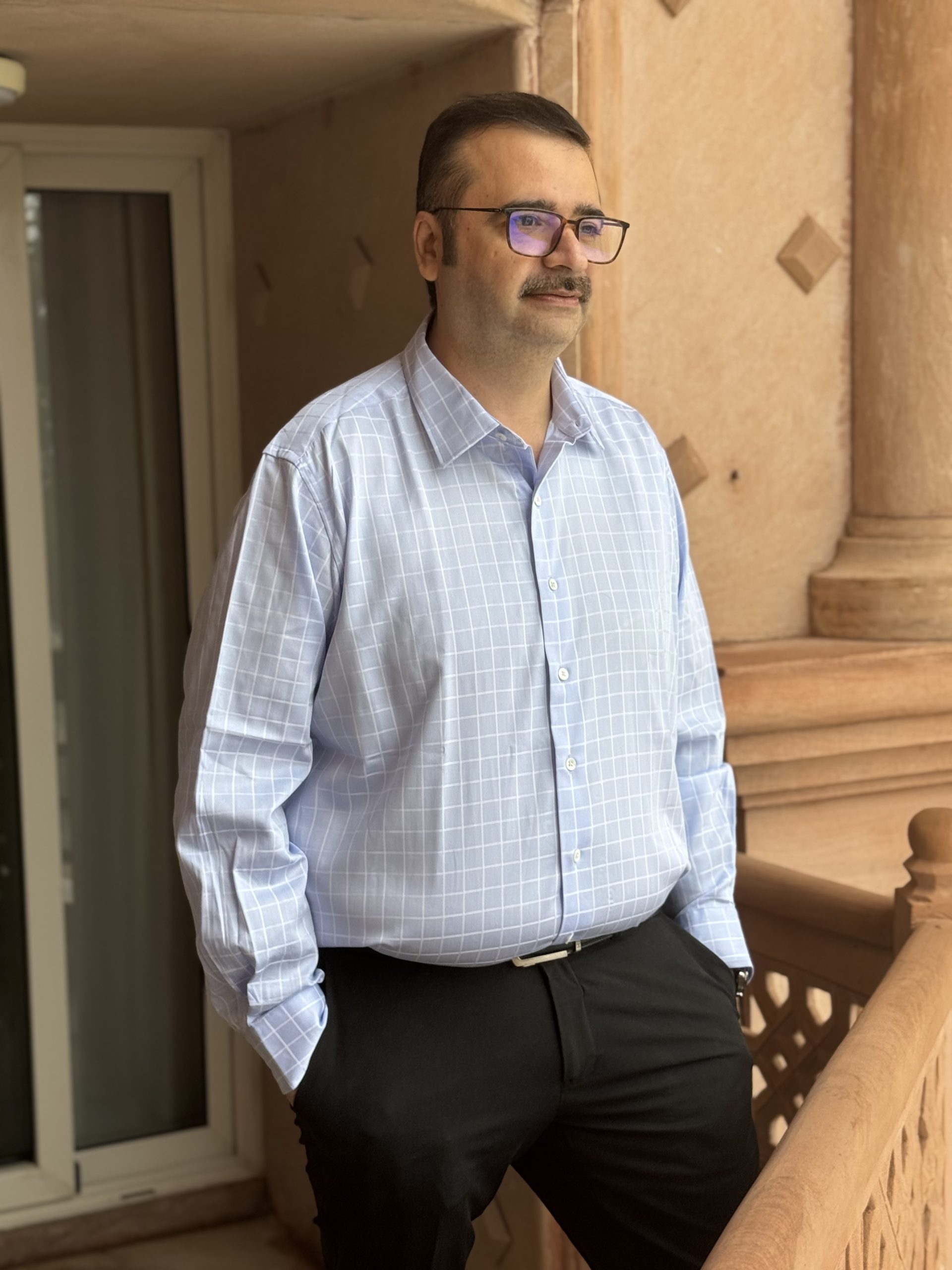
Hyderabad’s skyline and interiors are changing quickly, Architect Satyajit Tuljapurkar has been part of that transformation for over twenty years. As Principal Architect at Dezign-2 Architects & Interior Design, he has worked on a variety of projects, including large villas, nature-inspired farmhouses, high-end jewelry showrooms, and retail spaces for top brands. In a conversation with Asmita Mukherjee, Satyajit shares his journey from his early years in Hyderabad and Sangli. He discusses the changing design preferences in Hyderabad and how sustainability and smart technology are changing how people build and live.
Could you please share a brief overview of your professional journey in the world of architecture?
My architectural journey started at AB College of Architecture in Sangli, where I graduated in 2000. After that, I gained valuable experience working with my uncle, who is also an architect in Maharashtra, for a few years. This period was crucial for building my foundation. I later moved back to Hyderabad and continued working with a local company for several more years. This professional growth eventually led me to start my own practice. Since 2004 or 2005, I have been working independently, focusing on various projects.
What is your area of expertise?
Our firm has developed strong skills in several key areas. We are heavily involved in residential architecture and interiors, with projects that range from independent houses and large villas to gated communities, apartments, and farmhouses. We have also found a niche in retail interiors, designing numerous jewelry showrooms for different brands and various retail outlets. Our experience includes showrooms for companies in the architectural field, covering products like sanitary ware, plywood, lighting, and glass.
Can you name a few of your significant projects?
Our jewelry showroom projects include significant work for brands like Sukratej Jewellers, Surajbhan Jewellers, and Kauvery Pearls, A recent and exciting project was a boutique showroom for a new company focused on lab-grown diamonds, called Krishv. In retail, we have designed showrooms for major brands like Toto, Villeroy & Boch, and Kohler, as well as for a large tiles and sanitary ware retailer – Hanuman Enterprises.
 For residential projects, we have designed independent villas ranging from 4,000 to 25,000 square feet and farmhouses from 3,000 to 10,000 square feet. We have also worked on larger projects, such as two gated communities, one with 46 villas and another with 85 villas near Siddipet, hospitals in Hyderabad & Kodad and School in Suryapet. While most of our work is in Hyderabad, we have completed projects in other cities, including diagnostic centers in Bangalore and Chennai and jewellery showrooms in Karnataka. We’ve even worked on a couple of projects in Bhopal for clients originally from Hyderabad.
Could you elaborate on your design philosophy?
Our design philosophy is based on minimalism and simplicity. However, we don’t strictly stick to one style. Nowadays, clients often come with various reference images and ideas. We understand their vision and blend different design elements to create a cohesive, personalised space.
For example, we have designed a home that is clean and minimal, using straight lines and a monochromatic colour scheme. At the same time, we’ve completed projects with a neo-classical feel, incorporating traditional elements based on the client’s preferences. For our farmhouse projects, we design spaces that connect with nature while integrating elements of traditional Indian art. Recently, we worked on a project that featured Gond art, a tribal art form from Madhya Pradesh done by a Hyderabad artist, beautifully merging traditional culture with modern, nature-focused design.
What are some of the current trends you’ve noticed in the architecture and interiors market, especially in Hyderabad?
A significant shift we’ve observed is that people are investing much more in interiors. This area has become a distinct industry, whereas it was formerly seen as an extension of architecture. The design preferences in the city have changed. Traditional, ornate, and colonial styles are giving way to a more modern, minimalist, and contemporary look.
Another major trend is the focus on incorporating nature into living spaces. People increasingly seek biophilic designs, featuring lots of natural light, glass, and indoor greenery. Hyderabad is known for its love of spacious homes, and this trend continues. We see villas and apartments ranging from 5,000 to 40,000 square feet, reflecting the city’s preference for large spaces.
How do you integrate sustainability and technology into your projects?
There is a growing awareness of sustainable practices, with a clear shift towards wanting green certifications and energy-efficient solutions. Clients actively request features like solar installations, especially popular in the South. We also make sure to include rainwater harvesting tanks or borewellrecharging systems in our villa projects to help improve the water table along with water saving fittings to reduce the water consumption.
Regarding technology, home automation has become essential in modern homes. This includes more than simple light and fan controls; it now extends to appliances like geysers, air conditioners, and kitchen equipment, all controllable via voice commands or smartphones. We live in a connected world, and automation is now a necessity that clients increasingly want.
With the rise of AI, do you see a threat to the architecture and interior design profession?
It’s a common concern, but I don’t believe AI poses a direct threat to our profession’s core. While AI is already being used for rendering and presentations, I don’t think it can fully replace a human intellect. Architecture blends technical knowledge and aesthetic creativity. AI can process and reference existing work, but it can’t create something genuinely original or grasp the nuanced understanding of human needs and aesthetics that a designer provides. The architect’s role is to generate core creative ideas, and I am confident that this aspect will remain a human responsibility, at least for the foreseeable future.
Do you think the industry is becoming fragmented with so many new firms opening up, especially in Hyderabad?
The market is not fragmented yet, mainly due to the high volume of work available in Hyderabad. There’s enough demand for everyone to find opportunities. However, there is a challenge where less experienced individuals might charge lower remuneration, leading some clients to choose them over more seasoned professionals. Ultimately, experience and technical expertise distinguish a firm, especially during complicated projects. A one-year diploma cannot replace the solid foundation and technical background that a full architectural degree and years of practice provide. In the end, it is the client who suffers with a poorly executed project, which is why a strong, experienced team remains the best choice.
What advice would you give to aspiring architects and interior designers?
My main advice is to nurture your creativity and maintain your technical skills. While college lays a solid foundation, professional experience prepares you for the industry’s realities. What you learn in a professional setting is vastly different from textbook knowledge. I strongly advise young professionals to work under experienced firms for a few years to understand project technicalities before starting their own practices. This hands-on experience is invaluable and ensures high-quality outcomes for clients.
asmita.mukherjee@saffronsynergies.in
asmitamukherjeehbiz@gmail.com