



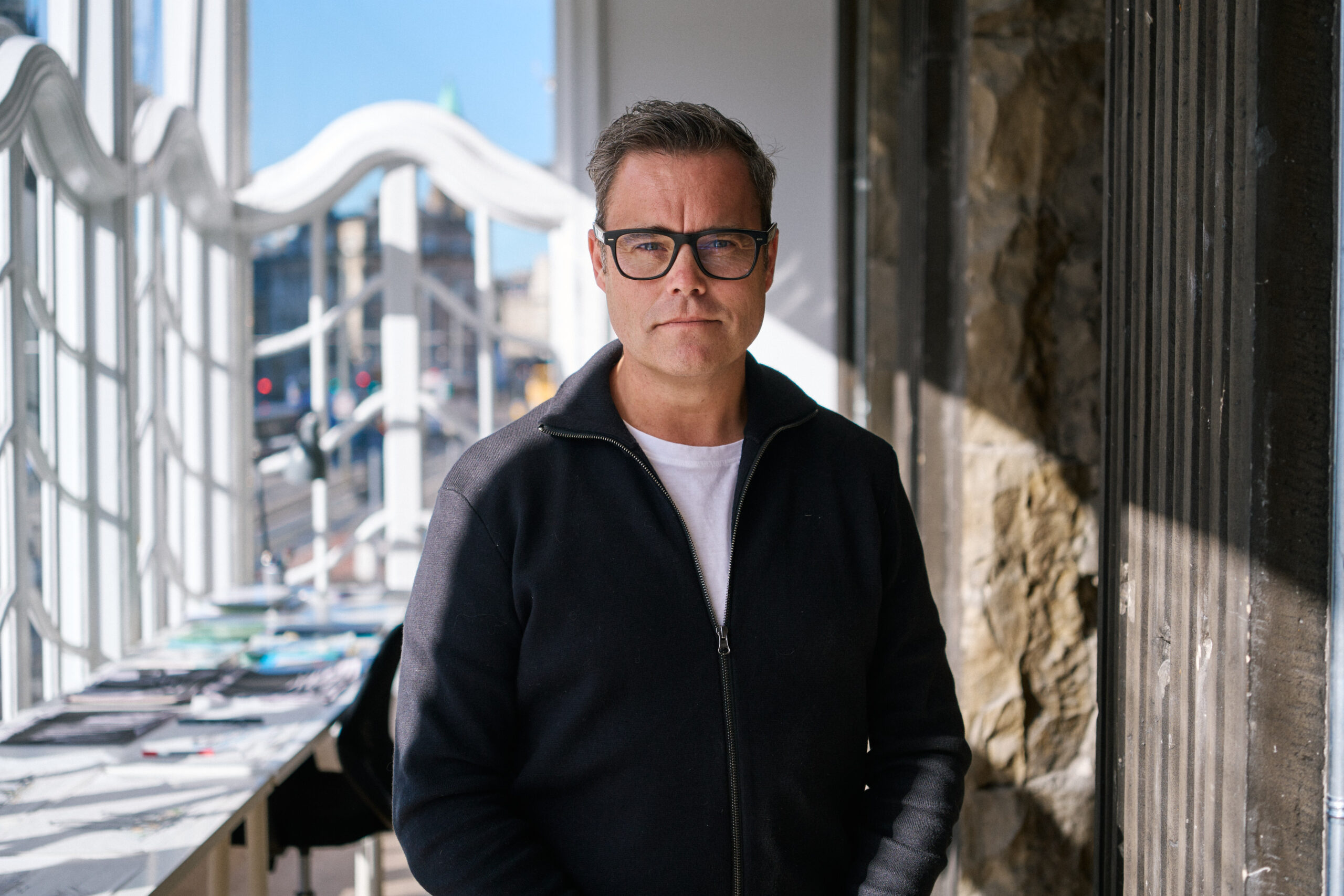
Leadership at a global architecture practice demands more than design excellence, it calls for vision, representation, and the ability to engage meaningfully with cities, clients, and communities. For Chris Jones, Chairman of 10 Design, the role marks a clear evolution from conventional leadership positions, shifting the focus from internal operations to outward engagement and long-term growth. In a conversation with Tejaswini Paranjape, Chris reflects on his journey as Chairman, the collaborative structure that underpins 10 Design’s multi-studio model, the practice’s deepening engagement with India, and the urban challenges shaping its future direction.
From Internal Leadership to an Ambassadorial Role
Chris describes the role of Chairman as fundamentally different from other leadership positions he has held. In many ways, it is an ambassadorial role—one that requires frequent travel, public presentations, and continuous engagement with clients, communities, and the broader public realm. Rather than being absorbed in operational or performance-related matters, the Chairman’s responsibility lies in driving the growth of the practice through outward-facing initiatives. Earlier leadership roles were more internally focused, dealing with performance metrics and operational issues. As Chairman, however, the emphasis has shifted decisively towards promoting the practice, articulating its vision and mission, and actively positioning the studio within the global architectural discourse. This external focus, Chris explains, is central to sustaining long-term growth and relevance for a practice operating at an international scale.
One Studio, Nine Locations
With nine studios spread across different countries, maintaining consistency while nurturing innovation is a defining challenge for 10 Design. Chris likens the structure to running a single studio across nine locations, united by a strong culture of collaboration. Over the past two to three years, particularly during the onboarding of new architects, the practice has deliberately strengthened cross-regional collaboration. Projects are frequently assigned to multiple studios, allowing two or even three studios to work together on a single commission or opportunity. This model encourages shared learning and effective integration of diverse perspectives.
Cross-regional transfers are also actively encouraged. According to Chris, the appetite of the staff mirrors the exploratory nature of the practice itself—curious, inquisitive, and open to movement. This mobility enables the introduction of varied skills and expertise across regions and studios, improving design quality while optimising internal processes. The result is a practice that operates as a single organism, despite its geographical spread.
India: A Longstanding and Growing Relationship
India has been central to 10 Design’s journey for over a decade. The practice established itself in the country early on and has been active in the Indian market for nearly 15 years. During this time, brand awareness has grown steadily, allowing the studio to capitalise on a broader portfolio and greater exposure within the market. Chris notes that 10 Design has worked across multiple Indian cities, including Gurugram, Noida, Delhi, Hyderabad, Chennai, Mumbai, and Bengaluru. Building on this foundation, the practice now intends to expand its presence further, with a focus on high-quality, high-profile destinations. Mixed-use developments and master planning opportunities in architecture and urban planning are key areas of interest, reflecting the complexity and scale of India’s evolving urban landscape.
Re-engaging Through CTBUH
Participation in CTBUH was driven by a clear intent to re-engage more intensively with the Indian market. CTBUH, which centres on the concept of vertical urbanism, aligns closely with the studio’s ongoing work in urban living, city liveability, sustainability, resilience, and smart city development. Chris emphasises that the urban habitat component is as important as the structures themselves. Many of the practice’s projects address city living and urban resilience, making CTBUH a natural platform for engagement. While 10 Design has been actively involved with CTBUH globally, the renewed focus on India reflects both its prior experience in the country and a growing inquisitiveness about its future. With increasing brand recognition, the timing felt right for a more focused engagement with the Indian market.
Projects That Endure
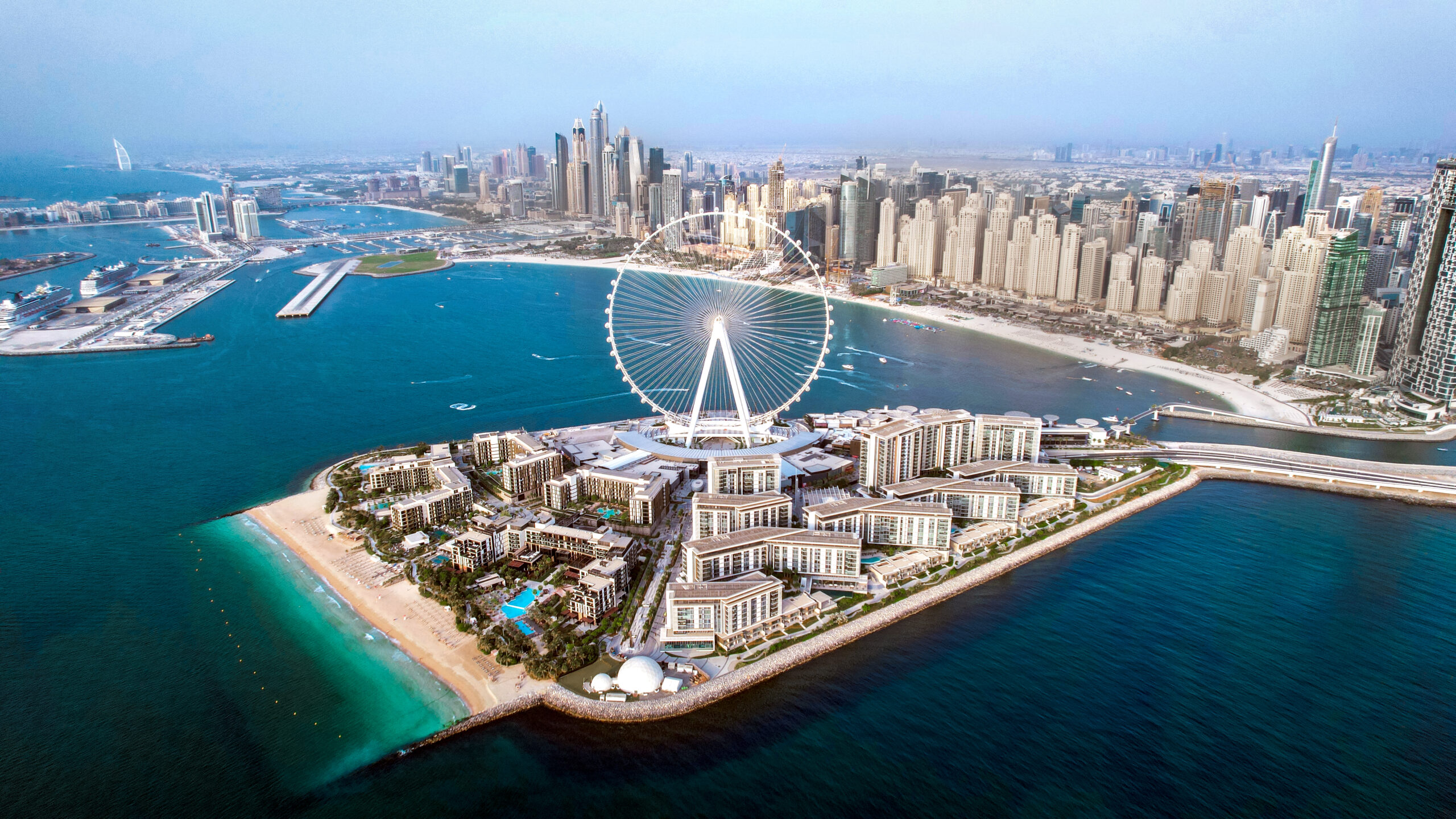
Choosing a favourite project is not easy, Chris admits, as several hold a personal significance. Among them is a waterfront project, Bluewaters Residences, in Dubai delivered nearly ten years ago. Conceived with a strong emphasis on liveability, the project extended into the existing city fabric, taking advantage of a rare island and waterfront setting. Over time, the architecture has sustained its relevance and continues to command high commercial value, with prices rising significantly through the years. Chris sees this project as having set a global benchmark for destination waterfront living, demonstrating how thoughtful urban design can deliver long-term social and commercial success.
From Brief to Built: An Urban Waterfront
Al Seef, another Dubai-based project, illustrates the studio’s approach to urban planning from initial brief to final delivery. Located on an underutilised waterfront site along the creek, the project sits between the historic heart of old Dubai and the embassy district. The mixed-use development, predominantly low- to mid-rise in scale, was designed to capitalise on the urban grain of the old city. Climate responsiveness and contextual sensitivity informed the masterplan, resulting in shaded terraces and strong waterfront engagement. Positioned between the embassy buildings and the water’s edge, the project forms a smart cluster of buildings that activates the waterfront and creates a distinctive new destination within the city.
India’s Urban Challenges
Rapid urban population growth presents significant challenges in the Indian context. Density, speed of development, and rising expectations place immense pressure on cities, particularly on public spaces and the public realm. For 10 Design, addressing these challenges means placing equal emphasis on buildings and the spaces between them. Chris highlights the importance of integrated smart developments that prioritise liveability while stitching new projects into existing urban infrastructure. Public spaces, wellness amenities, landscape, and integrated micromobility systems – such as cycleways, pathways, and urban parks – -are critical components of this approach. In dense and noisy cities like Mumbai, flexible and programmable public spaces become essential. The challenge, Chris notes, lies in creating environments that can withstand the aggressive pressures of traffic, interconnectivity, and urban barriers, while still offering a high quality of life for growing populations.
Expanding Across Sectors and Regions
Looking ahead, expansion plans for 10 Design are closely tied to both sectoral growth and geographic reach. The recent acquisition of hospitality practice SB Architects has significantly expanded the studio’s bandwidth in hospitality design. This expertise is increasingly relevant as hospitality principles influence amenity-rich developments across commercial, retail, and residential sectors. Chris views the acquisition as timely, allowing hospitality-driven thinking to infuse multiple project types. Geographically, Asia—and particularly India—remains a key focus for the coming years. At the same time, efforts are underway to strengthen the practice’s presence in the Americas, Europe and the UK.

