



By Dr Himanshu Talwar, Industry Veteran
The UK is known for its wholesome and comforting cuisine, but if you look a bit closer, you’ll discover that the narrative on a plate is much more expansive. Iconic dishes like roast dinners, fish and chips, and shepherd’s pies are just the starting point. Today, the food here is a mix of history, and global influence. The flavours are both familiar and unexpected, proving that British cuisine is far from static.
If you start in London, you’ll notice this everywhere. Of course, you can enjoy a Full English Breakfast at a local café, featuring crispy bacon, fried eggs, sausages, mushrooms, and tomatoes, but just around the corner, chicken tikka masala reigns supreme on menus. It’s often referred to as Britain’s national dish, originating from Indian cuisine that has been adapted to suit British taste. Curry houses throughout the city serve a variety of dishes, from spicy vindaloos to rich kormas. Turkish döner kebabs, made of slow-roasted meat shaved into flatbread with vegetables and sauce, are a common late-night food. Dining in London feels like a journey through centuries of cultural exchange, all in one meal.
Beyond London, cities like Birmingham and Manchester show how deeply diverse cultures has shaped everyday life. In Birmingham, balti is especially popular. It is a curry cooked quickly in a steel bowl with spices, tomatoes, and meat, and eaten with naan. Sweet shops sell jalebi, deep-fried swirls soaked in sugar syrup, and gulab jamun, soft milk-baseddumplings in syrup. While in Manchester, Chinese takeaway shops are everywhere, serving dishes like chow mein, stir fried noodles with vegetables and meat, and crispy chilli chicken, coated in a spicy sauce. Caribbean food is also widely loved. Jerk chicken, marinated with spices and grilled, is served with rice and peas. These meals are bold in flavour and reflect the Caribbean communities that have lived here for generations.
Middle Eastern food has also become part of daily life across the UK. Shawarma, which is thin slices of roasted meat wrapped in flatbread, is a common street food. Falafel, made from ground chickpeas and deep-fried, is often eaten in wraps with salad and sauce. These meals are quick, affordable, and filling, which makes them especially popular with students and workers. Street markets across the UK bring even more variety. Ethiopian food, such as injera, a soft flatbread served with lentil and vegetable stews, is growing in popularity and Nigerian jollof rice, cooked with tomatoes, peppers, and spices, is loved for its rich flavour.
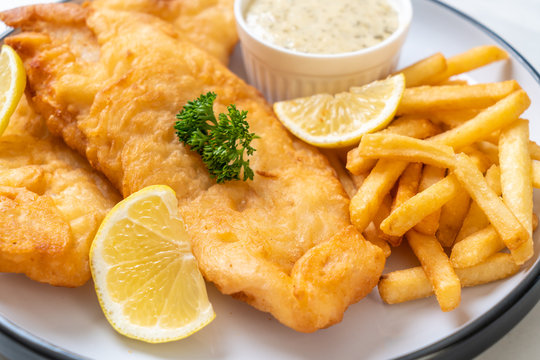
Traditional British food, however, still holds its place. In Glasgow, fish and chips remain a favourite. The fish is coated in batter and fried, then served with chips and sometimes mashed peas. Another well-known dish is the steak and ale pie, made with slow-cooked beef in gravy and covered with pastry. These meals are simple but deeply comforting. In coastal regions like Cornwall, local food tells stories of labour and land. The Cornish pasty, filled with beef, potatoes, and vegetables inside a folded pastry, was originally made for miners to carry to work. Cream tea, which includes scones served with clotted cream and jam, reflects a slower pace of life and local traditions.
The UK’s food culture is always growing, always adapting, and always telling the story of the people who call it home.Traditional British meals continue to be important, but South Asian curries, Caribbean grilled meats, Chinese noodles, and European dishes are also part of daily life. Each dish represents a different history and community. Together, they show how British cuisine today is bringing together different cultures.

