



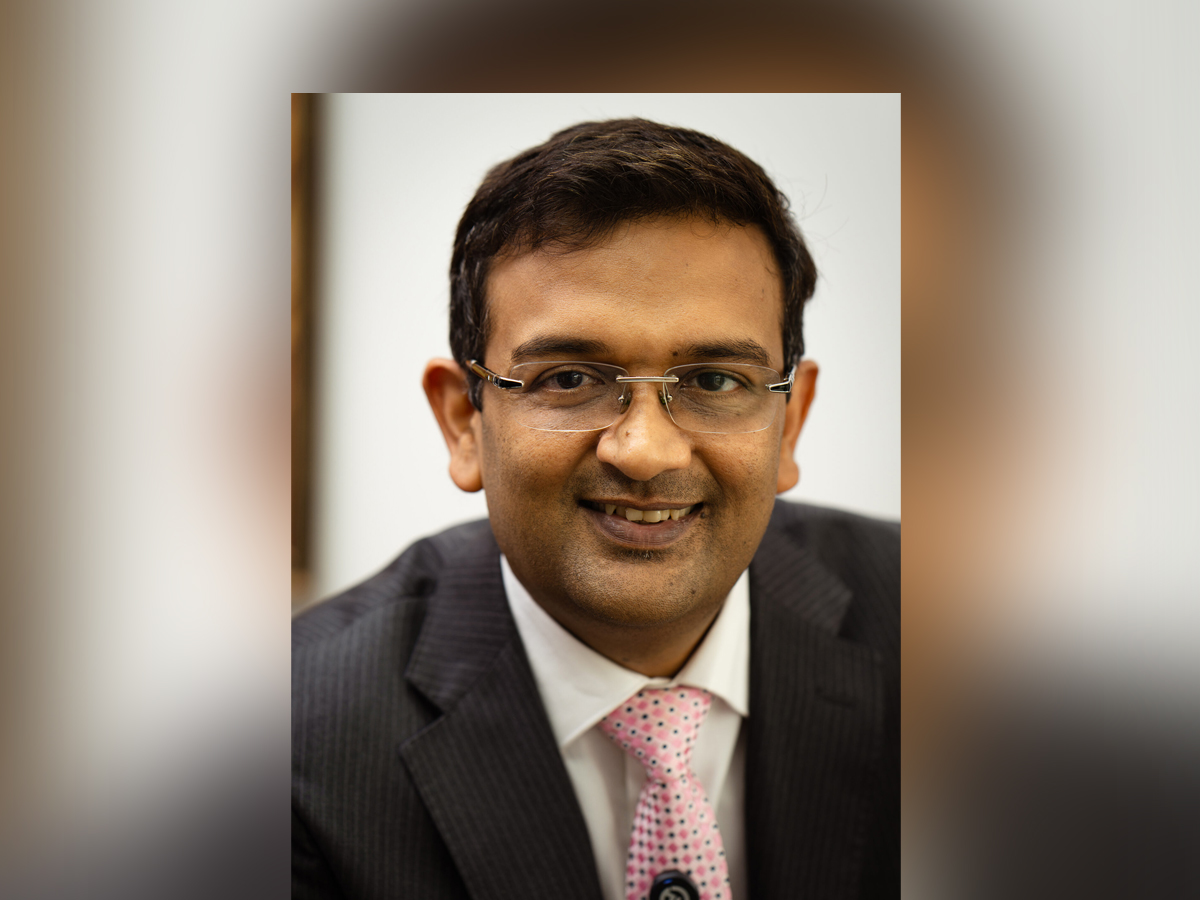
In a conversation with Tejaswini Paranjape, Vivek Garg, Founding Director, NVT Quality Lifestyle, speaks about the shifting dynamics of premium housing, sustainability beyond tokenism, and why the future of luxury living lies in intelligently designed ecosystems. In a market increasingly driven by discerning homebuyers, evolving lifestyles and rising aspirations, NVT Quality Lifestyle has carved a niche for itself through professionally managed luxury villa communities. The company has steadily built a reputation for design-led, process-driven residential developments.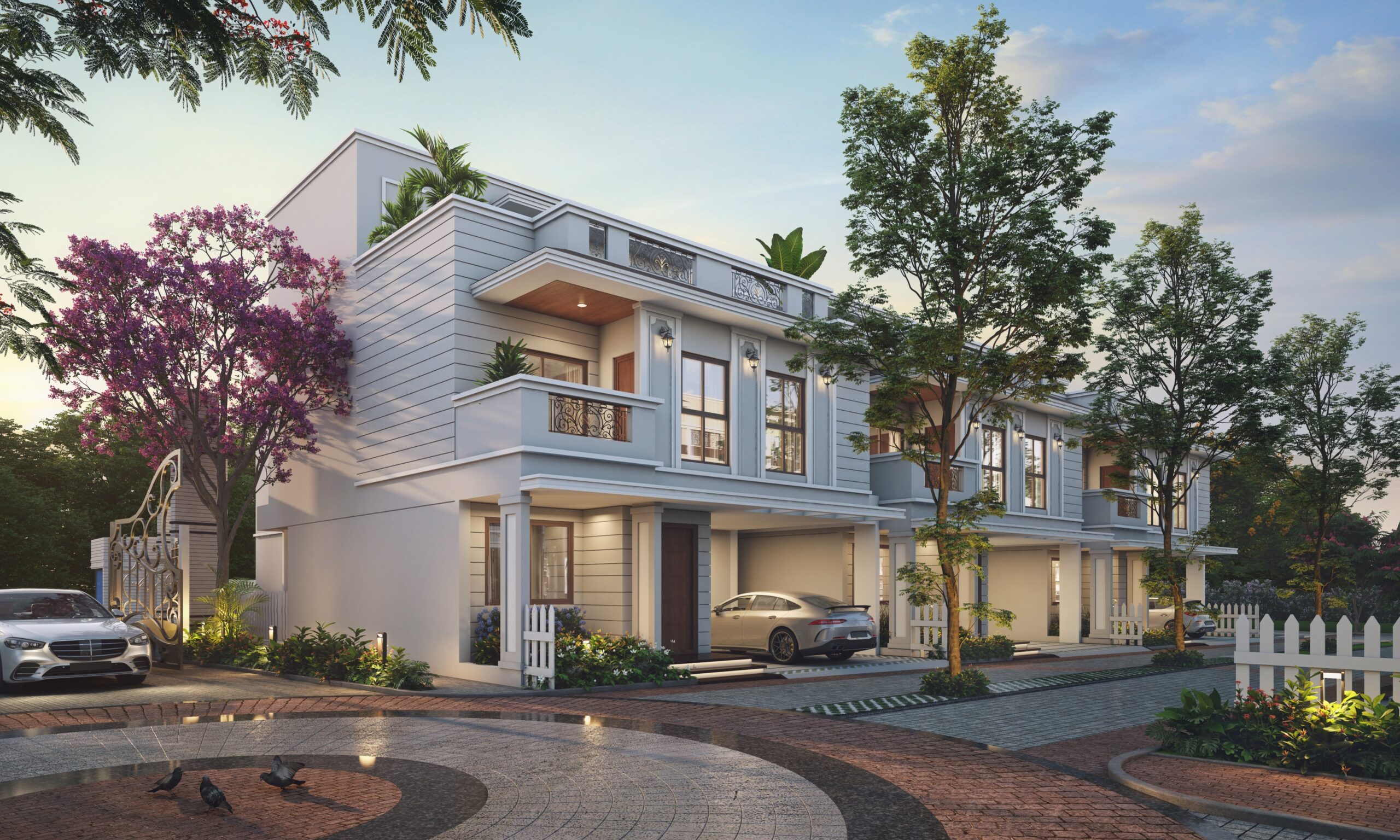
Q. How do you see demand for premium and luxury housing evolving over the next three to five years?
The shift has already begun very aggressively. I was recently looking at market data for East Bengaluru and the change over the last five years has been remarkable.
Back in 2021, a significant share of the market was concentrated in the sub-₹80 lakh category. Today, that segment has practically disappeared in many premium micro-markets. The market has decisively moved towards homes priced between ₹1.5 crore and ₹5 crore.
What this tells us is that the definition of luxury itself is evolving. Earlier, anything above ₹2.5 crore was considered luxury. Today, I believe the industry will need newer classifications altogether because premium housing demand is moving substantially upward.
The larger point is that homebuyers today are seeking far more than just square footage. They want better planning, lower density, integrated experiences, privacy, greenery and long-term value creation. The demand is becoming increasingly quality-conscious and experience-driven.
At the same time, this also raises an important question for the industry — how do we continue to create housing accessibility when the market itself is shifting upwards so rapidly?
Q. What differentiates NVT Quality Lifestyle from conventional developers?
I often describe myself as an accidental developer. I probably would have been happier teaching at a university somewhere.
My brothers and I come from a deeply middle-class background. We grew up believing that education, ethics and professionalism matter. All of us studied at premier institutions and spent time in the US before consciously deciding to return to India and build something meaningful.
When we entered real estate, the idea was never simply to build and sell homes. The idea was to bring a professional approach into an industry that traditionally lacked process orientation and transparency.
That philosophy still defines us today. Our focus has always been on three things — quality in design, quality in construction and quality in specifications.
We are extremely process-driven as an organisation. We think long term. We believe governance matters. Policies matter. Transparency matters. And once you genuinely adopt those principles, it reflects across every stage of development — from planning and execution to customer experience and delivery.
The “For Professionals, By Professionals” philosophy is not branding for us. It is simply who we are.
Q. How important are process-driven execution and professional management in building long-term trust?
In Indian real estate, buyers often invest very early in the project lifecycle — sometimes when they have only seen a mock-up or a brochure.
So trust becomes fundamental.
For any investor or homebuyer, three things matter most: design quality, construction quality and timely delivery.
First, the product has to genuinely deliver what was promised. If you say you are offering premium specifications, the execution has to reflect that — whether it is waterproofing, workmanship, materials or detailing.
Second, design understanding becomes critical. A buyer cannot always visualise how a space will finally feel. A developer has to have the ability to conceptualise spaces deeply and translate that into liveable environments.
And third — perhaps most importantly — projects must be delivered on time. Delays can completely alter investment outcomes.
Over the years, we have seen that when these fundamentals are consistently maintained, trust follows naturally. Many of our landowners have gone on to become investors in our projects. Channel partners are comfortable working with us because they know the credibility attached to the product.
Ultimately, people do not stay associated with a developer only because of marketing. They stay because the experience consistently validates the promise.
Q. Sustainability has become central to luxury housing conversations today. How do you approach it?
I think sustainability today is often misunderstood.
Many people define it only through technology additions — solar systems, recycled materials or green certifications. Those things are important, but for me, true sustainability begins at the design level itself.
How do you design homes that naturally reduce dependence on artificial systems?
For example, in our projects, we consciously create larger windows, generous balconies and layouts that improve natural ventilation and light penetration.
If spaces are designed intelligently, homes consume less electricity, feel more breathable and create a far healthier living experience.
We also focus heavily on integrating nature into the everyday experience. At NVT Symphony of Orchards, for instance, the idea was to create a low-density villa community immersed in orchards and open green spaces rather than simply creating another gated enclave.
For us, sustainability is less about adding features later and more about designing homes correctly from the beginning.
Q. How are luxury homes adapting to hybrid work lifestyles and changing buyer expectations?
Post-pandemic, the role of the home has fundamentally changed.
Earlier, homes were largely functional spaces where people returned at the end of the day. Today, people are spending significantly more time at home — working, attending meetings, studying and socialising.
This has directly influenced how buyers evaluate homes.
The growing preference for larger formats — especially 3 and 4 BHK homes — is partly driven by the need for dedicated workspaces. Buyers now actively seek layouts that can accommodate home offices or flexible multifunctional areas.
You will also notice that modern communities increasingly require shared work-friendly infrastructure within the township itself — quieter breakout areas, lounges, community spaces and environments where residents can comfortably work beyond the confines of the home.
Luxury today is not only about aesthetics. It is also about adaptability.
The homes that will remain relevant over the next decade are the ones designed around how people truly live — not how they lived ten years ago.
Q. Finally, how do you see the future of premium residential development in India?
Luxury housing today is no longer defined purely by size or extravagance.
The future lies in intelligently designed ecosystems — communities that combine privacy, nature, flexibility, infrastructure and long-term liveability.
That is also why we are now looking beyond standalone villa communities toward larger integrated developments and newer residential formats.
The Indian homebuyer has evolved significantly. They are globally exposed, far more design-aware and far more quality-conscious than before.
As developers, we also need to evolve accordingly.

